
Views: 0 Author: Site Editor Publish Time: 2026-06-08 Origin: Site


Dealing with a sticky, malfunctioning vaporizer ruins the experience for everyone involved. It frustrates users by wasting premium extracts and potentially destroying battery terminals. For extract brands, the stakes run even higher. A single bad batch destroys brand reputation and guarantees unacceptably high return rates from dispensaries. Manufacturers lose money and consumer trust rapidly. We must acknowledge a skeptical reality: no standard device is completely immune to the laws of physics. Constant changes in ambient pressure, severe temperature spikes, and varying oil viscosity directly dictate hardware performance. To solve this, you need deeper insights than basic troubleshooting. This guide isolates the specific mechanical and physical reasons behind a vape cartridge leak. We move beyond generic internet advice to provide actionable solutions. You will learn a practical framework for evaluating high-reliability hardware. By understanding these core principles, you can stop wasting oil and source better components.
Physics dictates failure: Most leaks occur due to a compromised internal vacuum seal or temperature-induced viscosity changes.
Hardware materials matter: Component tolerances, such as those found in an SS316 cartridge, drastically reduce seepage compared to standard brass or cheap alloys.
Filling protocols are critical: For brands sourcing an empty disposable cartridge, improper capping times (failing to seal within 2–3 minutes) is a primary cause of bottom-post leaks.
Prevention over recovery: Once a cartridge vacuum is broken, complete recovery is difficult; upgrading to better hardware (like a ceramic tip cartridge) is the most viable long-term solution.
Hardware relies on delicate physical balances to function properly. Standard tanks operate by utilizing a partial vacuum inside the top headspace. This invisible vacuum seal holds the heavy oil up against the force of gravity. If outside air enters the tank improperly, the vacuum breaks immediately. Without this structural lock, gravity simply pulls the oil down. It quickly floods the atomizer and spills into the central airway. You cannot reverse this physical reaction easily once it begins.
We must also examine capillary action and core saturation. Inside the tank sits a highly porous ceramic core. It absorbs liquid continuously like a hard sponge. When you leave the device idle, the core holds the liquid securely inside its micro-pores. However, excess environmental pressure forces too much oil into this ceramic matrix. The core over-saturates and cannot hold the incoming volume. The excess liquid then bypasses the internal heating coil entirely. It drips straight down the center post, creating a sticky mess at the base.
Environmental triggers constantly disrupt these delicate internal systems. You must watch out for two main physical culprits during daily use:
Altitude changes: Traveling through high mountain passes or flying on commercial airplanes expands the tiny air bubble inside the tank. This sudden gaseous expansion pushes heavy oil outward through the bottom seals. The vacuum cannot withstand extreme atmospheric pressure shifts.
Temperature spikes: Leaving your device inside a hot car thins the extract dramatically. Heat severely drops the fluid's viscosity. Hot oil flows like thin water. It easily forces its way through the tiny intake holes and floods the lower heating chamber before you even take a draw.
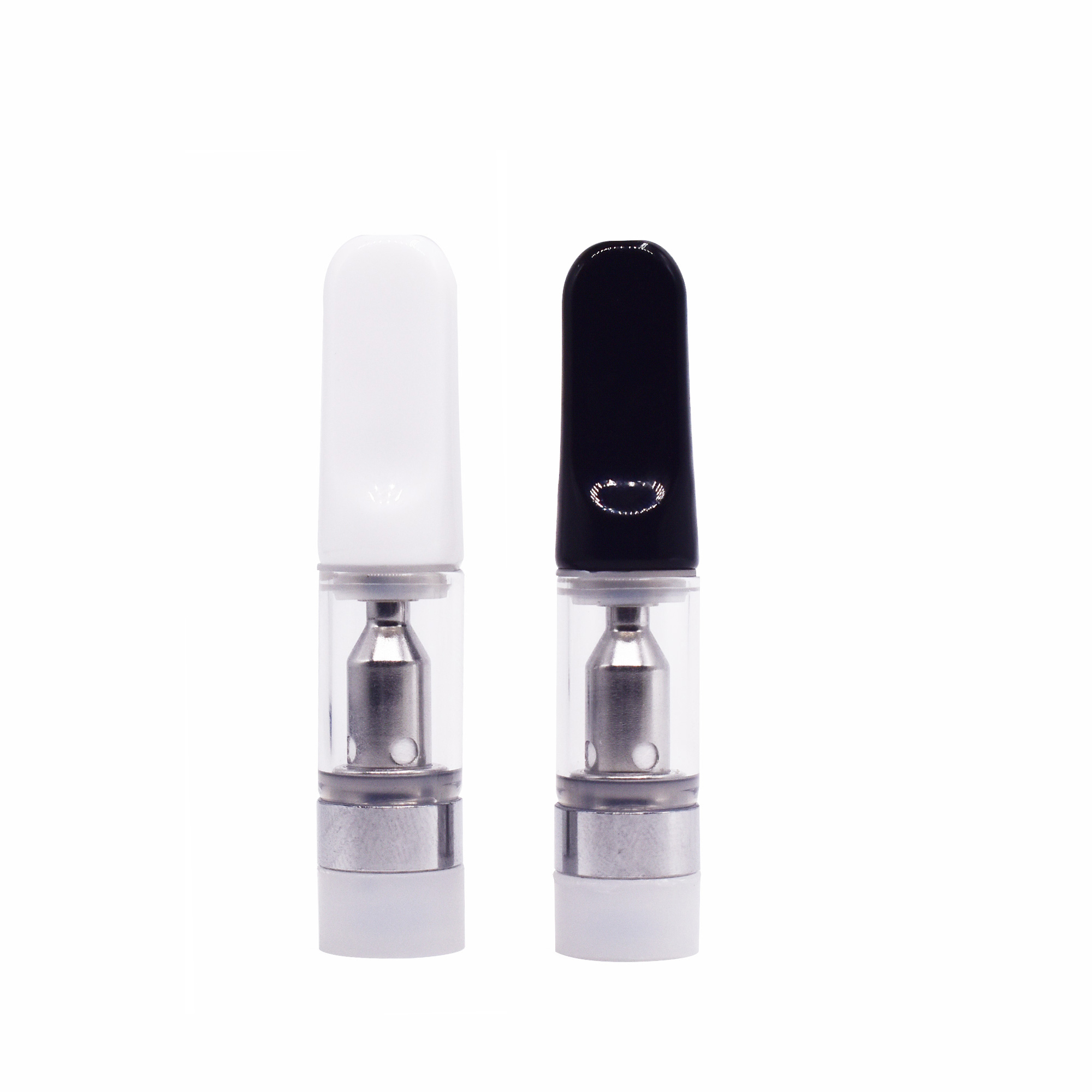
Many users immediately blame their equipment when poor personal habits actually cause the issue. We must dispel common myths surrounding device failures. First, let us address the battery myth. Standard 510 thread batteries do not directly cause fluid leaks. This remains a widespread misconception across the vaping community. Batteries supply electrical current, not physical pressure. However, your activation habits matter greatly. Continuous "pre-heating" cycles without actually inhaling will over-saturate the internal coil. The heat thins the liquid, but nobody pulls the resulting vapor out. The liquid simply pools at the bottom chamber.
Inhalation technique plays a massive, often ignored role. Drawing too hard acts exactly like sucking violently on a thick milkshake straw. You end up pulling raw, un-vaporized liquid directly up into the central chimney. Users frequently mistake this action for a base leak when the fluid eventually spits out of the top mouthpiece. You should always take slow, gentle draws. Let the heating element do the work.
Finally, consider the reality of thread degradation. Over-tightening a 510 vape cartridge onto your battery damages the delicate bottom O-ring. Metal threads bite aggressively into the soft silicone base. This immense pressure crushes and breaks the crucial bottom seal. Once broken, fluid seeps freely onto your battery contact pins.
To clarify these operational differences, review the diagnostic chart below:
Failure Category | Common User Action | Physical Result |
|---|---|---|
Operator Error | Drawing too forcefully on the mouthpiece | Fluid travels up the chimney (spit-back) |
Operator Error | Over-tightening the base thread | Crushed bottom O-ring seal |
Operator Error | Excessive pre-heating without inhaling | Flooded ceramic core |
Hardware Failure | Poor component machining from factory | Complete loss of internal vacuum lock |
Operators sourcing bulk hardware face unique, expensive challenges. Leaks often begin directly on the manufacturing floor, long before any consumer touches the retail product. Matching the extract's thickness to the correct aperture size remains absolutely critical. You cannot use identical hardware for distillate, live resin, and rosin. Thin distillates require smaller intake holes to prevent flooding. Thicker live resins demand larger apertures to wick properly. Mismatching these specifications guarantees either a burnt dry hit or a completely flooded chamber.
Here is a quick reference guide for matching fluid viscosity to hardware apertures:
High Viscosity (Thick Distillates): Requires larger 2.0mm intake holes to allow slow, steady fluid movement into the core.
Medium Viscosity (Live Resins): Best paired with 1.5mm to 1.8mm holes to balance wicking speed and flood prevention.
Low Viscosity (High Terpene Blends): Needs smaller 1.2mm to 1.5mm holes to prevent thin liquids from rushing the heating element.
The capping window presents another massive manufacturing hurdle. When factory operators fill an empty disposable cartridge, they must act incredibly fast. Workers or automated machines must press on the mouthpiece rapidly, usually within 120 seconds. This rapid closure creates the initial vacuum lock inside the tank. Failing to seal the unit within this tight two-minute window allows fluid to breach the bottom post before the vacuum ever forms. It stands as a primary cause of major batch failures.
You must also consider aggressive chemical reactions over time. Terpene degradation quietly destroys cheap hardware. High terpene ratios act as natural chemical solvents. While they provide excellent flavor profiles, they aggressively attack cheap silicone gaskets. Over several months, they dissolve these internal seals. This slow corrosion leads to microscopic, unfixable leaks on dispensary shelves. Brands must actively choose hardware built specifically to withstand these harsh chemical environments.
Buyers must adopt a strict, evidence-based evaluation framework during the purchasing stage. First, we need a necessary reality check. A completely foolproof, 100% no leak cartridge under all abusive conditions remains a persistent marketing myth. If you drop it from a building or bake it in an oven, it will fail. Instead, smart buyers focus on engineered leak resistance. You should evaluate exactly how well the internal components handle normal operational stress.
Material integrity sits at the absolute foundation of reliability. You should understand why upgrading to an SS316 cartridge changes everything for your brand. Medical-grade Stainless Steel 316 offers vastly superior thermal stability compared to traditional brass alloys. It strongly resists terpene corrosion over long periods. Furthermore, stainless steel maintains much tighter threading tolerances during the machining process. Brass is naturally soft and warps easily under pressure. SS316 keeps the structural geometry perfectly intact, ensuring internal seals remain flush and secure.
Next, look closely at the mouthpiece and seal design. Cheap plastic snap-on tips expand and contract wildly during minor temperature changes. This microscopic movement compromises the fragile vacuum lock. You should evaluate the distinct engineering benefits of a ceramic tip cartridge or premium glass variants. These high-end options usually feature multi-tier silicone O-rings. They lock into place securely, resist thermal expansion, and provide multiple layers of defense against escaping air.
Finally, center post engineering separates average hardware from premium solutions. Look for devices featuring upgraded bottom-pin airflow designs. These advanced structures capture minor condensation internally. They trap rogue droplets safely before the fluid ever reaches your battery thread.
Consumers often wonder if they can salvage a malfunctioning device. First, you must perform a basic diagnostic check. You need to determine if you face normal minor condensation or a catastrophic vacuum failure. A tiny, sticky, mist-like spot on the bottom pin represents normal condensation. It happens as vapor cools. Conversely, if fluid pours out continuously in thick drops, the vacuum has failed entirely. A broken vacuum remains generally unfixable.
If you face a temporarily flooded center post, you can try clearing the airway safely. Follow these practical steps carefully:
Detach the unit from your battery immediately to prevent electrical damage.
Take a straightened metal paperclip and gently run it down the top mouthpiece hole to clear physical blockages.
Perform gentle dry-pulls without firing the battery. This action pulls excess liquid out of the flooded heating chamber.
Wipe away any expelled fluid using a cotton swab dipped in isopropyl alcohol.
Storage habits directly dictate the lifespan of your extracts. You must follow strict storage best practices daily. Storing your devices completely vertically is an operational necessity. It keeps the fluid pooled safely over the intake holes and maintains the air bubble at the very top. Always keep them in a temperature-controlled, dark environment. Avoid direct sunlight and car dashboards at all costs.
Knowing exactly when to discard a unit saves you money in the long run. If liquid continuously pours from the bottom thread despite your best efforts, you must cut your losses. The internal seal is permanently compromised. Trying to save a few dollars of remaining extract risks destroying an expensive battery entirely.
Leaks are rarely random mysteries. They stand as a clear symptom of a broken physical system. Usually, they stem from a failed internal vacuum, extreme temperature exposure, or severely mismatched hardware tolerances. Understanding these specific mechanical triggers allows you to take full control of your vaping experience. You no longer have to guess why a failure happened.
For your immediate next steps, consumers should adopt vertical storage habits and practice slow, gentle draw techniques. For businesses, you must stop treating hardware as a secondary thought. Audit your entire supply chain today. Test high-tolerance components like SS316 stainless steel and specialized ceramic mouthpieces. Addressing these physical issues directly at the manufacturing level eliminates failure rates at the source. Better hardware always yields better customer retention.
A: Minor condensation on the 510 pin can happen over time due to vapor cooling in the airway. However, a pooling drop of oil indicates a failing bottom gasket or an over-saturated coil. You should wipe minor stickiness away, but heavy pooling requires hardware replacement.
A: Yes. Heat thins the extract's viscosity and expands the air inside the tank, forcing liquid through the ceramic core and out the bottom intake. You should always store your devices in a cool, climate-controlled environment to maintain the internal vacuum lock.
A: Absolutely. A poorly fitted plastic tip can let air seep into the tank, breaking the vacuum. High-quality press-fit or threaded tips, like a ceramic tip cartridge, provide a superior, airtight seal. They resist temperature changes and keep the internal pressure perfectly balanced.


