
Views: 0 Author: Site Editor Publish Time: 2026-06-10 Origin: Site


Premium cannabis extracts represent a significant financial investment for enthusiasts. You spend your money on quality oils to enjoy a flawless, flavorful experience. However, an exceptional product quickly deteriorates if you ignore proper maintenance. Improperly managing your hardware leads to oxidized oil, severely clogged coils, and wasted money. Environmental stressors rapidly degrade cannabinoids and terpenes. This unseen damage leaves you with harsh vapor or messy leaks.
Proper techniques ensure you maintain terpene profile integrity over time. They also prevent leakage and guarantee consistent vapor production from the first draw to the last. This comprehensive guide covers vital environmental controls, extract-specific needs, and crucial hardware considerations. You will learn the exact mechanisms behind oil degradation. You will discover actionable steps to maximize the shelf life of your favorite extracts and protect your investment.
Orientation: Always store cartridges vertically (mouthpiece pointing up) to keep the wicking system primed and prevent flooding.
Environment: Maintain room temperature (60°F–70°F) and keep away from direct UV light to halt cannabinoid degradation.
Extract Variations: Highly volatile extracts require stricter climate control compared to stable distillates.
Hardware Matters: Premium hardware resists temperature-induced pressure changes better than cheap plastics.
Understanding hardware failure requires a brief look at basic physics and chemistry. Your extract exists in a delicate balance. Environmental fluctuations disrupt this balance easily. Poor habits ruin perfectly good oil before you even finish half the tank. Let us examine the primary culprits behind ruined extracts.
Temperature fluctuations drastically alter oil viscosity. Heat makes thick oil thin and runny. This thinned oil breaches the atomizer chamber quickly. It floods the heating element. Eventually, it leaks down into the battery connection base. Conversely, rapid cooling thickens the oil. This extreme thickness creates massive suction pressure. You will likely pull un-vaporized oil directly through the mouthpiece.
Sunlight acts as an aggressive enemy to cannabinoids. Ultraviolet rays aggressively break down THC molecules. The UV radiation converts THC into CBN (Cannabinol). This chemical change alters the original potency. It also shifts the intended psychoactive effects. Furthermore, photodegradation darkens the oil visibly. The vibrant amber liquid turns into a murky brown sludge.
Oxygen naturally compromises volatile terpene profiles. Terpenes provide the unique flavor and aroma of your extract. When oxygen interacts with these compounds, they degrade rapidly. Oxidation leads to a complete loss of flavor. It also creates a remarkably harsh vaping experience. You might notice a bitter or sour taste when oxidation occurs.
Physical resting position dictates oil flow. Gravity controls how oil rests inside the chamber. Horizontal placement causes the liquid to flow away from the intake holes. The internal wicking material dries out. When you take your next puff, the heating element burns the dry wick. This creates a terrible dry hit. It permanently ruins the taste of the coil.
You can prevent most hardware failures by following a few strict baseline rules. Every consumer should master these fundamental habits. They apply universally, regardless of the brand or extract type you purchase.
Upright placement remains the absolute non-negotiable baseline. You must always position a standard 510 thread cartridge vertically. The mouthpiece must point directly upward. This posture forces gravity to pull the thick oil down. The liquid covers the intake holes perfectly. The internal core stays perpetually primed and ready for use. It eliminates dry hits completely.
Maintaining a stable climate prevents viscosity swings. You need to keep your items in a specific safe zone. The ideal temperature range sits between 60°F and 70°F (15°C to 21°C). Extreme environments destroy seals and ruin oil. Never leave your gear on a hot car dashboard. Similarly, avoid leaving it in a freezing garage. Extreme heat causes violent leaks. Extreme cold causes impenetrable clogs.
Ambient light slowly degrades your extract quality over time. You should treat light exposure as a serious threat. We recommend using completely opaque storage containers. Dedicated stash boxes work exceptionally well. You can also simply keep items in their original retail packaging. These physical barriers completely block ambient light and stop photodegradation.
Leaving the tank attached to the power source introduces unnecessary risks. You should separate the tank from the battery during long-term storage. This simple habit prevents accidental misfires in your pocket or drawer. It also stops passive battery drain. When you detach the components, you extend the lifespan of both devices.
Universal Environmental Control Matrix | ||
Environmental Factor | Ideal Condition | Critical Danger Zone |
|---|---|---|
Temperature | 60°F to 70°F (15°C - 21°C) | Above 85°F or Below 35°F |
Light Exposure | Pitch Black (Opaque Box) | Direct Sunlight / Window Sill |
Orientation | Strictly Vertical (Upright) | Horizontal / Upside Down |
Power Connection | Detached from Battery | Screwed tightly onto active battery |
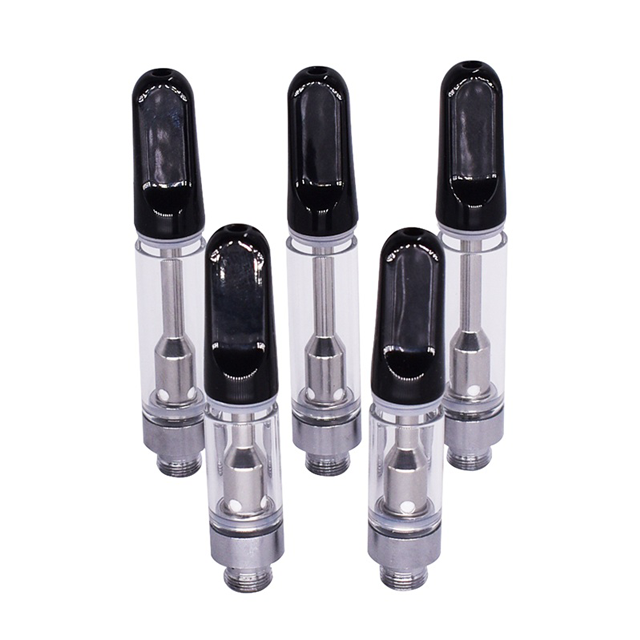
Not all oils behave identically. Manufacturers use different extraction methods to isolate various compounds. These distinct chemical profiles require customized environmental controls. You must identify what type of extract you own. Knowing how to properly store vape cartridge models depends heavily on their internal contents.
Distillate represents the most common and robust extract on the market. It goes through a rigorous refinement process. The refinement strips away volatile organic compounds. It removes natural plant waxes and unstable lipids. This creates a highly stable end product. A high-quality distillate cartridge maintains a very high baseline viscosity.
Because of this stability, the storage protocol feels forgiving. They remain highly resilient at standard room temperature. A simple dark, cool desk drawer provides a perfectly sufficient environment. You rarely need specialized cooling equipment for distillate.
Live resin offers a completely different chemical reality. Manufacturers freeze the plant immediately after harvesting. This preserves a massive concentration of volatile terpenes. While this creates incredible flavor, it creates massive instability. A premium live resin cartridge is highly susceptible to heat and light degradation. The delicate terpenes evaporate at very low temperatures.
This reality requires stringent temperature control. Many enthusiasts utilize the "refrigerator method" for long-term storage. They keep the oil at approximately 40°F (4°C). The cold halts terpene evaporation and preserves the complex flavor profile perfectly.
Refrigeration introduces a massive secondary risk. Cold environments create internal condensation. Condensation introduces tiny water droplets directly onto the heating coil. Water and hot electronics do not mix well. Water popping on the coil ruins the vapor taste and creates harsh microscopic steam. Users must allow a refrigerated tank to reach ambient room temperature entirely before vaping. Never hit a cold tank.
Environmental controls only protect you if the physical container holds up. The materials used by manufacturers dictate how well the system handles stress. Cheap materials fail eventually, regardless of your perfect storage habits. Evaluating hardware quality serves as a primary preventative measure.
The external tank material plays a massive role in shelf life. Cheap plastic tanks dominate the bottom-tier market. Plastics are highly prone to microscopic cracking. They expand and contract unevenly during temperature changes. Furthermore, plastics risk chemical leaching under heat. Terpenes act as natural solvents and degrade cheap plastics.
In contrast, investing in a robust glass vape cartridge solves these issues immediately. Glass remains chemically inert. It forms a perfectly airtight seal. Glass resists oil degradation and handles pressure fluctuations without micro-cracking. It protects the purity of your oil effortlessly.
The internal heating core handles the heaviest workload. Traditional systems use tiny cotton wicks. Cotton rots easily over time. It holds old oil, causing it to oxidize and taste foul after long periods of non-use. A modern ceramic coil cartridge handles storage vastly better. Ceramic resists dry rot completely. It maintains steady, predictable porosity. The microscopic pores hold the oil securely, significantly reducing clog frequency after weeks of non-use.
You should frame the choice of hardware as a direct preventative measure. High-grade hardware features better internal O-rings. The silicone seals sit tighter against the central post. Premium engineering natively prevents the leaks associated with storage pressure changes. Spending a little more on superior hardware saves you from losing grams of expensive extract later.
Even cautious users occasionally make mistakes. You might accidentally leave your setup sideways on the couch. You might forget it in a chilly backpack overnight. Knowing how to recover from these errors saves your oil. You must execute these troubleshooting steps carefully to avoid blowing out internal seals.
Cold environments thicken oil dramatically. The thick liquid hardens inside the central airway, creating an impenetrable plug. You feel like you are sucking on a blocked straw.
Warm the exterior: Hold the tank tightly in your closed fist for five minutes. Your natural body heat safely lowers the viscosity.
Pre-heat function: If your battery features a pre-heat button, activate it for exactly one cycle.
Gentle pulls: Take very soft, shallow pulls without pressing the fire button. A sudden, forceful pull will suck the thick oil directly into your mouth.
Leaving the device sideways causes oil to pool improperly. It flows past the intake holes and floods the central chimney. It gurgles loudly when you try to use it.
Clear the airway manually: Straighten a standard paperclip. Carefully insert it down the mouthpiece to scrape out excess liquid blocking the chimney.
Dry pulls: Disconnect the battery. Take a few strong pulls through the mouthpiece to clear trapped liquid.
Flick the base: Hold the mouthpiece securely. Flick your wrist downward to force trapped liquid back down toward the intake holes.
Sometimes, improper habits ruin the product entirely. You need objective criteria for evaluating if a poorly kept item is a total loss. Look for these undeniable signs of spoilage.
Extreme Dark Banding: A severe, blackish-brown layer forming at the very top of the liquid indicates heavy oxidation.
Sour or Burnt Taste: If the vapor tastes sharply bitter, sour, or distinctly like burnt popcorn, the volatile terpenes have degraded fully.
Extreme Viscosity Changes: If the liquid sloshes around like water at room temperature, chemical breakdown has occurred.
Takeaway 1: Proper extract management relies entirely on a combination of strict environmental defense and premium hardware quality.
Takeaway 2: Evaluate your current storage locations immediately. Move any items sitting on desks or in cars to a cool, dark, climate-controlled drawer.
Takeaway 3: Adopt the vertical placement rule today. Purchase or build an inexpensive block with drilled holes to keep your tanks perfectly upright.
Takeaway 4: Prioritize high-quality glass and ceramic components for all future purchases to natively minimize the risk of micro-leaks and oxidation.
A: Yes. They realistically possess a shelf life of 6 to 12 months before reaching peak degradation. The exact timeline depends heavily on the extract type and your environmental controls. Beyond this window, cannabinoids degrade into CBN, potency drops, and terpenes oxidize, resulting in a harsh, flavorless experience.
A: It depends on the extract. Yes, you should refrigerate highly volatile live rosin or resin for long-term preservation. No, you should not refrigerate daily-use distillate. If you do refrigerate, you must allow the tank to reach room temperature before use to prevent dangerous condensation inside the coil.
A: The brown ring indicates oxidation and minor heat exposure. Oxygen resting at the top of the tank interacts with the oil, altering its color. While it looks unappealing, industry consensus states it remains safe to consume, though you will likely notice a slight decrease in flavor quality and potency.


