
Views: 0 Author: Site Editor Publish Time: 2026-04-27 Origin: Site


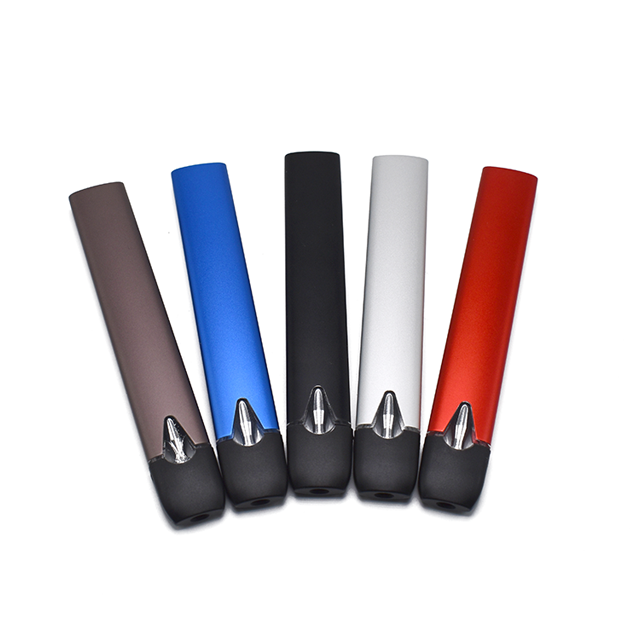
Vaping cannabis extracts requires precision, yet many users unknowingly ruin their experience with the press of a button. Dialing in the right temperature is not just about preference. It fundamentally changes the chemistry of your session.
Many users compromise their product by using the wrong power settings. This simple mistake results in burnt coils, degraded flavor, or frustratingly weak vapor production. Unlike standard e-liquids, thick cannabis extracts demand specific thermal conditions. They need adequate heat to vaporize cleanly without destroying sensitive, flavorful terpenes.
We will explore how to find your ideal voltage setting. You will discover an evidence-based framework tailored to your cartridge hardware and extract composition. By the end, you will know exactly how to adjust your Distillate Vape for the best possible flavor and vapor output.
The optimal baseline for most standard distillate vape carts is between 2.5V and 3.2V.
Lower voltages (2.0V–2.4V) prioritize terpene preservation and flavor but may lead to clogging with highly viscous extracts.
Higher voltages (3.3V+) maximize vapor production but carry a high risk of burning the coil and oxidizing the oil.
Hardware variables—such as coil material (ceramic vs. quartz) and electrical resistance (ohms)—directly alter how a specific voltage performs.
Always start at the lowest possible setting and incrementally increase power until the desired balance of flavor and vapor is achieved.
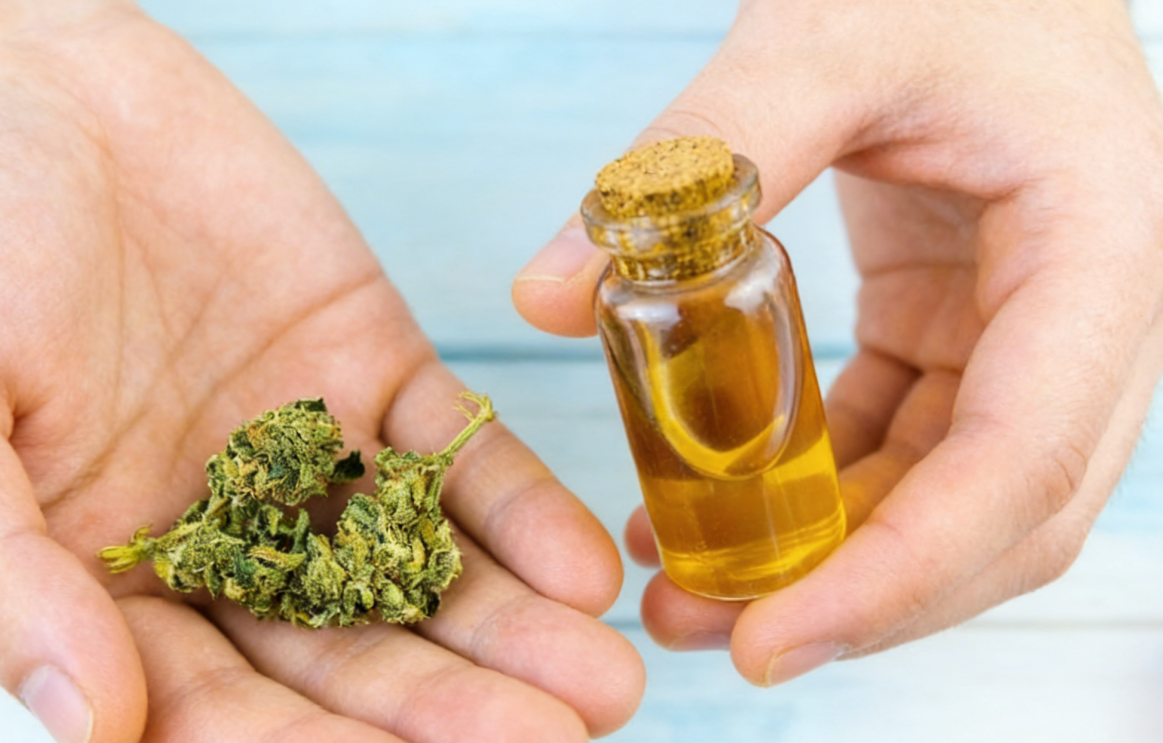
Selecting the correct power output is critical for a successful session. Cannabis extracts do not behave like traditional nicotine juices. They require a delicate balance of thermal energy to function properly. If you ignore these variables, you will likely ruin both the oil and the hardware.
Distillate is inherently thick. It often resembles cold honey or tree sap at room temperature. It requires sufficient kinetic energy to flow into the atomizer. The heating element must warm the oil enough to lower its viscosity. Once thinned, it absorbs into the wicking material. However, excessive heat easily destroys the active compounds inside. You must provide enough power to melt the extract without obliterating the delicate molecules.
Terpenes boil at much lower temperatures than cannabinoids. For example, common terpenes like myrcene or pinene evaporate at relatively low heat levels. Finding the right voltage requires balancing the preservation of these volatile compounds against the vaporization point of the base extract.
Consider these two conflicting goals:
You want to taste the complex flavor profile. This requires low heat to prevent burning the terpenes.
You want a potent, dense vapor cloud. This requires high heat to boil the heavier cannabinoids rapidly.
Balancing these two goals is the ultimate challenge of using a variable voltage battery.
Standard 510-thread cartridges have distinct failure points. Manufacturers design these small tanks with specific limits in mind. Pushing too much voltage through small heating elements leads to irreversible wick damage. The cotton or ceramic core cannot draw oil fast enough to replace what vaporizes. The coil then heats dry material. This instantly ruins the cartridge.
Different power levels produce vastly different results. To help you choose, we have broken down the standard voltage settings into three distinct categories. You can reference the summary chart below before diving into the specifics.
Voltage Range | Best Application | Primary Benefit | Primary Risk |
|---|---|---|---|
Low (2.0V – 2.4V) | High-terpene blends, Live resin | Maximum flavor | Airflow clogs |
Medium (2.5V – 3.2V) | Standard raw extracts | Balanced performance | Mild flavor loss over time |
High (3.3V – 4.0V+) | Clearing severe clogs | Massive clouds | Burnt coils, oxidized oil |
Best Application: High-terpene blends, live resin/distillate mixtures, and flavor-chasing. These delicate extracts require gentle heat.
Outcomes: Maximum flavor translation, smoother throat hit, and extended cartridge lifespan. You will experience the true taste of the plant profile. The gentle heat preserves the structural integrity of the wick.
Trade-offs: Smaller vapor clouds. You also face a potential for minor airflow clogs if the oil is too thick to vaporize completely at lower temperatures. The residual sticky liquid can build up inside the central chimney.
Best Application: Standard raw distillate and botanical-terpene infused cartridges. This is the comfort zone for nearly all commercially available Distillate Vape products.
Outcomes: The industry-standard balance. It produces consistent vapor density without immediately threatening the integrity of the coil. The heat is sufficient to melt thick oil quickly.
Trade-offs: It may lightly degrade flavor profiles toward the end of the cartridge's life cycle. As you repeatedly heat the tank, the terpenes slowly evaporate away. The final few sessions often taste slightly muted.
Best Application: Clearing severe clogs or vaporizing exceptionally thick, un-cut distillate. You should rarely use this setting for everyday vaping.
Outcomes: Maximum vapor production and intense immediate effects. You get massive clouds with very short draws.
Trade-offs: High probability of burning the wicking material. You will likely experience a harsh taste and rapid battery drain. You also risk oil degradation. The extreme heat often causes the liquid to turn dark brown or black.
Voltage alone does not tell the whole story. Two identical batteries set to 3.0V can perform entirely differently. You must evaluate the physical hardware of your cartridge.
The heating element dictates how thermal energy transfers into the oil. The industry primarily relies on two main materials.
Ceramic: Handles heat efficiently and disperses it evenly. Ceramic cores are highly porous. They absorb the thick oil slowly but hold it securely. They are generally safe at the 2.8V-3.2V range. Ceramic is less prone to sudden dry hits.
Quartz/Cotton: Heats up rapidly. Cotton wicks absorb thinner liquids well but struggle with thick sap. This material requires lower voltage to prevent dry hits and burning. If you push 3.5V through a cotton wick, you will almost certainly scorch it.
Not all oils share the same viscosity. Pure extract handles higher heat better than terpene-rich formulations. Pure products contain fewer volatile compounds. They require more energy to vaporize. Conversely, heavily terped mixtures are much thinner. The thinner the oil (higher terpene ratio), the lower the voltage should be. If you use a thin mixture, high heat will flood the coil.
Electrical resistance fundamentally changes heat output. Ohm's law dictates how voltage converts to actual wattage (heat). A standard 1.4-ohm cartridge behaves differently at 3.0V than a 2.0-ohm cartridge. Lower resistance requires less voltage to generate the same heat.
For example, if you attach a 1.2-ohm tank, 3.0V might feel incredibly hot. If you attach a 2.2-ohm tank, 3.0V might produce zero vapor. You must adjust your settings based on the resistance of the specific cartridge you attach.
You will inevitably make a mistake when dialing in your device. Knowing how to diagnose a bad setting saves your hardware from permanent damage. Pay close attention to these physical indicators.
Sharp, metallic, or burnt taste: This is the most common indicator. The wick has dried out, and you are inhaling scorched material.
Darkening or blackening of the oil: Look near the intake holes at the bottom of the glass. If the liquid turns dark, you are experiencing oxidation and carbon build-up. The excessive heat cooks the extract.
Harsh throat irritation: If the vapor burns the back of your throat instantly, dial the power back. Vaporizing compounds too rapidly creates an uncomfortably hot inhale.
"Spitting" or popping of hot liquid: The element is boiling the oil instead of vaporizing it. Tiny bubbles pop and shoot hot, un-vaporized oil into the mouthpiece.
Flooded central airpaths: The oil thins out but fails to turn into vapor. It gets sucked up into the chimney, leading to chronic clogging.
Weak or non-existent vapor production: You draw on the device, but nothing happens. The battery simply lacks the power to reach the vaporization point.
Your hardware choice affects both performance and safety. Avoid unregulated "stick" batteries. These cheap devices often push maximum voltage constantly, destroying cartridges instantly. Instead, utilize certified devices. Look for hardware with built-in short-circuit protection, overcharge protection, and regulated voltage outputs. Regulated devices ensure that 2.8V remains exactly 2.8V, even as the battery charge drops.
Upgrading your battery is the single best way to improve your sessions. Standard auto-draw pens offer zero control. You need a device that adapts to your specific cartridges.
Look for granular voltage control. You want incremental steps (like 0.1V adjustments) rather than just three generic presets. Precise control lets you find the absolute perfect sweet spot. Additionally, seek out a low-voltage "pre-heat" function. This feature usually outputs a gentle 1.8V for ten seconds. It is specifically designed to prime thick distillate before you take a full draw. It prevents dry hits during the crucial first pull of the day.
The shape of your battery dictates its features and durability.
Pen-style batteries: These are highly portable and discreet. However, they often lack precise voltage screens. They also suffer from low battery capacity. As the charge depletes, the actual voltage output often drops.
Conceal/Box styles: These units physically protect the glass cartridge inside a housing. They frequently offer digital voltage readouts. More importantly, they maintain consistent power output as the battery drains. You get the same hit at 10% battery as you do at 100%.
Audit your current primary cartridge type. Are you using ceramic or wicked coils? Are you vaping thick raw extracts or thin terpene mixtures? Once you identify your primary usage, acquire a variable voltage battery that supports a minimum low-end range of 2.0V. A wide operating range guarantees compatibility with future product purchases.
Finding the correct power setting fundamentally transforms your experience. You avoid wasted product, burnt coils, and harsh throat hits.
There is no single "perfect" voltage, but 2.5V to 3.0V serves as the most reliable baseline for a standard Distillate Vape.
The safest adoption strategy is to set your device to its lowest setting, take a 3-second draw, and step the voltage up by 0.1V or 0.2V increments until you reach the optimal threshold.
Investing in hardware with precise variable voltage controls is the only way to guarantee a consistent, waste-free experience across different cartridge brands.
A: Not recommended without a specialized adapter. Sub-ohm mods output too much wattage, even at low settings, and will instantly fry a standard distillate cart coil.
A: The wick may have burned previously, the oil might be too thick to absorb into the coil without a pre-heat, or you are taking draws that are too long in duration.
A: 5 to 10 seconds is usually sufficient to warm the oil without vaporizing it. Overusing pre-heat can lead to flooded chambers and leaking.
A: Yes. Higher voltages draw more current, depleting the battery faster and increasing the frequency of recharge cycles, which reduces the overall lifespan of the device.


