


Contents
Introduction
The quality of an empty vape is directly influenced by the materials used in its construction. As vaping continues to gain popularity, consumers are becoming increasingly concerned about the quality, safety, and environmental impact of vaping products. While much of the attention often goes to the e-liquid or the battery, the materials that make up the vape itself play a crucial role in both the performance and safety of the device. In this article, we will explore the high-quality materials used in the production of empty vapes, examining their properties, advantages, and how they contribute to a better vaping experience.
The Importance of Materials in Empty Vapes
The materials that make up an empty vape determine many important aspects of the product, such as durability, safety, functionality, and even flavor. While it might be tempting to focus only on the vaping liquid, the quality of the vape itself can significantly affect the overall experience. For example, poor-quality materials may introduce undesirable flavors or potentially harmful chemicals into the vapor, while high-quality materials can provide a clean, smooth vaping experience.
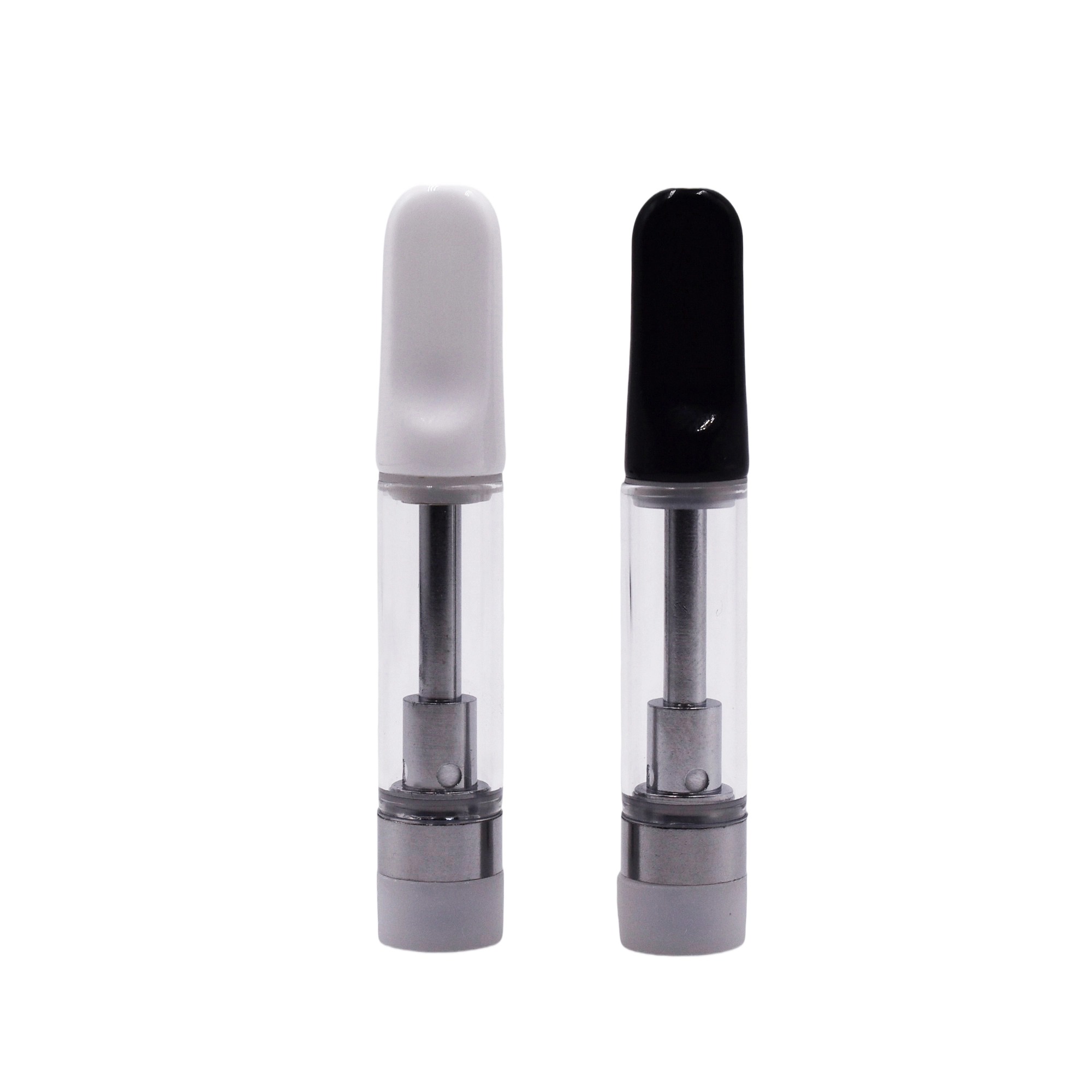
When looking at empty vapes, it's important to understand that these devices are typically constructed from a combination of plastics, metals, and sometimes glass. The choice of materials for these components affects their longevity, ease of use, and how well they interact with the e-liquid. Let’s break down the most common materials used in high-quality empty vapes.
Common Materials Used in High-Quality Empty Vapes
Plastic Components
Plastic is one of the most common materials used in the construction of empty vapes. Certain high-quality plastics are favored due to their lightweight, durable, and non-corrosive properties. For example, Polycarbonate and PETG are widely used in vape tanks and mouthpieces because of their resistance to impact and temperature fluctuations. These plastics are also relatively inexpensive, making them ideal for the mass production of affordable yet durable vapes.
However, not all plastics are created equal. BPA-free plastics are particularly important, as BPA (Bisphenol A) has been linked to health concerns. High-quality plastic components in vapes are made with food-grade, BPA-free materials to ensure that harmful chemicals are not leached into the vapor. Many reputable brands go the extra mile by using FDA-approved plastic materials that ensure no toxic substances are released when exposed to heat.
Metal Components
Metals are another essential material in high-quality empty vapes, especially for the construction of coil heating elements and the outer casing of the vape. Stainless steel is a commonly used metal in vaping devices due to its strength, resistance to corrosion, and non-reactive nature. Stainless steel is used for the vape’s structural components and the coil itself, ensuring a consistent and efficient heating process.
Other metals like aluminum are also used for the outer casing. Aluminum is lightweight, durable, and resistant to rust, making it an ideal choice for manufacturers looking to create portable yet high-quality vapes. Moreover, aluminum components help in dissipating heat, preventing the device from overheating during use.
Glass Components
While plastic and metal make up most of the structure, high-quality empty vapes often incorporate glass components, particularly for the e-liquid tank. Glass is a popular choice for tanks because it is non-reactive, meaning that it won’t interact with the e-liquid or alter its flavor. Additionally, glass does not degrade over time, making it an excellent choice for ensuring long-lasting performance.
Some high-end vapes use Pyrex glass for its durability and resistance to breakage. Pyrex is known for its ability to withstand high temperatures, ensuring that the vape can be used safely without the risk of the glass shattering or cracking.
Material Durability and Safety Considerations
Durability of Plastic vs. Metal
When it comes to the durability of empty vapes, both plastic and metal have their advantages. Plastic components, while lightweight and often more affordable, may degrade over time due to exposure to heat and the chemicals found in e-liquids. High-quality plastics, such as polycarbonate and PETG, are designed to withstand these stresses, but they are generally less durable than metal components.
On the other hand, metal components are more resistant to wear and tear, making them ideal for parts that experience frequent stress, such as the vape’s outer casing and coil. Stainless steel and aluminum are particularly effective at maintaining their integrity over time. However, the downside is that metal components tend to increase the overall weight of the device, which may not appeal to all users.
Food-Grade and Non-Toxic Materials
One of the most critical factors in the construction of high-quality empty vapes is the use of food-grade materials. Many reputable vape manufacturers ensure that the materials they use are not only durable but also non-toxic. This is especially important because the heating process in a vape can sometimes cause materials to release harmful substances if they are not properly tested for safety.
Using food-grade plastics, metals, and glass ensures that the materials do not leach harmful chemicals into the vapor, safeguarding the user’s health. Many top-tier brands prioritize this level of safety and even conduct third-party testing to confirm that their products meet stringent health standards.
Innovative Materials in the Production of Empty Vapes
With advancements in technology, manufacturers are exploring new materials to improve the performance and sustainability of empty vapes. For example, some brands are now experimenting with ceramic heating elements, which offer a cleaner, more consistent vaporization of the e-liquid. Ceramic components are favored for their resistance to wear, non-reactive nature, and ability to retain heat, which improves the overall vaping experience.
Another innovation is the use of biodegradable plastics for vape bodies and tanks. These materials aim to reduce the environmental impact of vaping products by ensuring that they break down over time. As the vaping industry continues to grow, manufacturers are increasingly considering the long-term impact of their products on the environment, and the use of sustainable materials is becoming a key focus.
How Material Choice Affects Vaping Experience
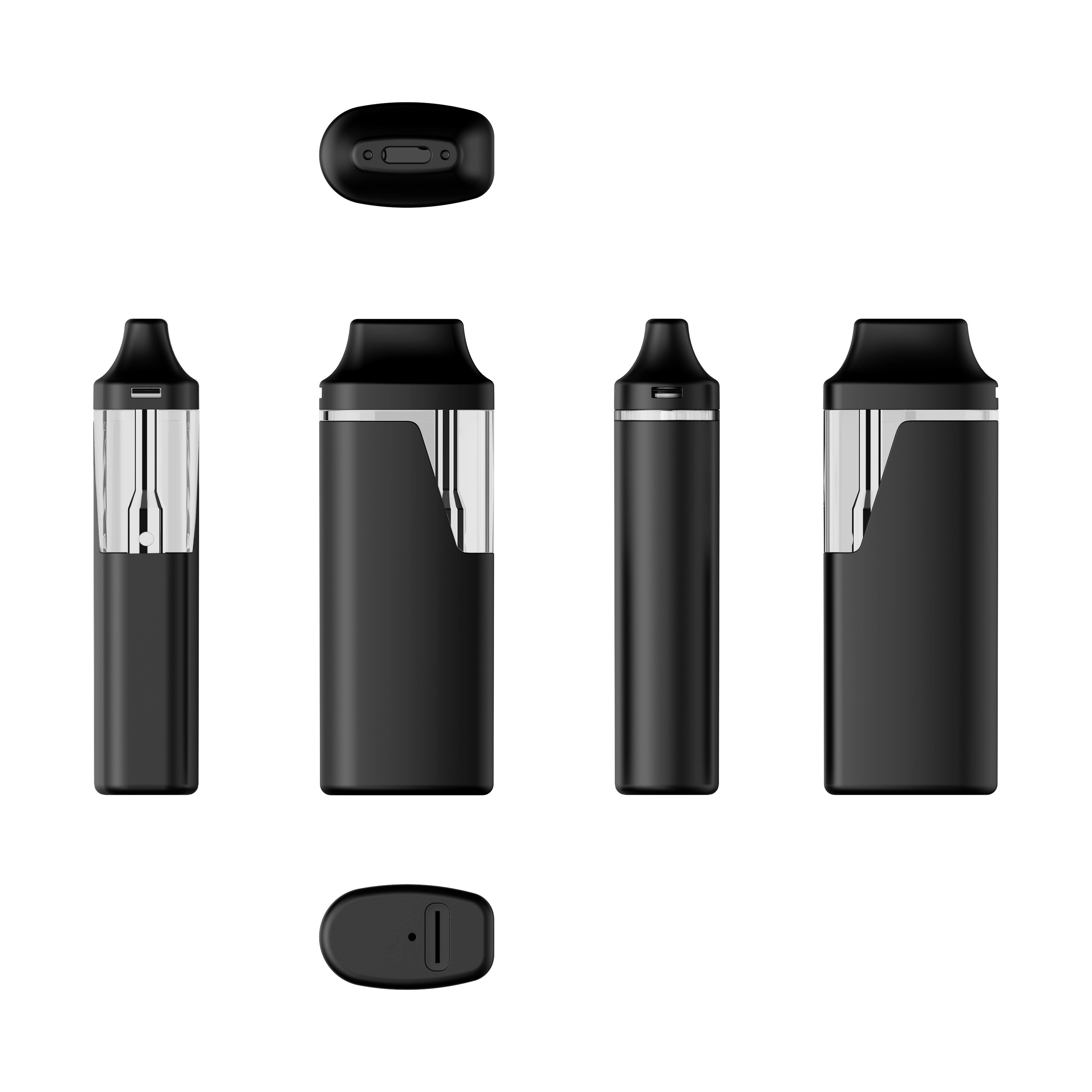
The materials used in an empty vape have a direct impact on the vaping experience. For instance, the flavor of the e-liquid can be altered depending on the material used in the vape tank. Plastics can sometimes introduce a plastic taste to the vapor, while metal and glass tanks are much more neutral and do not affect flavor.
The choice of material also affects the heat retention and vapor production. For example, metal coils heat up quickly and provide a stronger vapor production, while ceramic coils are known for providing a smooth, consistent heat distribution. The design and material of the mouthpiece can also affect comfort and airflow, which are critical factors in a satisfying vape.
Environmental Considerations in Empty Vape Manufacturing
As with any consumer product, the environmental impact of vaping products is becoming an increasing concern. The production of empty vapes involves a significant amount of plastic, metal, and glass, which can contribute to pollution if not disposed of properly. However, many manufacturers are beginning to address these concerns by implementing recycling programs and using eco-friendly materials.
Some companies are shifting towards more sustainable practices, such as using recycled aluminum or biodegradable plastics, to reduce their carbon footprint. As the industry matures, it is expected that more brands will adopt these practices to make empty vapes more environmentally friendly.
Conclusion
The materials used in the construction of empty vapes are crucial to their performance, safety, and sustainability. High-quality empty vapes are typically made from a combination of food-grade plastics, stainless steel, and glass components, each contributing unique benefits such as durability, safety, and flavor preservation. As innovation continues in the vaping industry, new materials like ceramic and biodegradable plastics are emerging, promising to further improve the user experience while reducing environmental impact.
Choosing a vape made from high-quality materials ensures a better, safer vaping experience. Whether you're concerned about flavor, durability, or environmental sustainability, understanding the materials used in your vape is key to making an informed decision.
FAQ
1. What materials are most commonly used in empty vapes?
The most common materials are plastic, metal (stainless steel or aluminum), and glass. High-quality vapes often use food-grade plastics and Pyrex glass to ensure durability and safety.
2. Are plastic vapes safe to use?
Yes, as long as the plastic used is BPA-free and FDA-approved, ensuring that harmful chemicals are not leached into the vapor. High-quality plastic materials are designed to withstand the heat from vaping.
3. Why is stainless steel used in empty vapes?
Stainless steel is used because it is strong, corrosion-resistant, and non-reactive, making it ideal for structural components like coils and casings.
4. Can the materials used affect the flavor of the vape?
Yes, materials like glass and metal are preferred because they do not alter the flavor of the e-liquid, unlike certain plastics that might introduce a plastic taste.
5. Are there environmentally friendly materials in vape production?
Yes, many companies are exploring biodegradable plastics and recycled metals, as well as implementing recycling programs to reduce the environmental impact of vaping products.


