
Views: 225 Author: Site Editor Publish Time: 2026-01-27 Origin: Site


The 510 Battery has become an essential component in portable vaping devices and other small electronic gadgets. Its popularity stems from its versatility, compact design, and compatibility with a wide range of cartridges. For users, understanding the typical lifespan of a 510 Battery is crucial for maintaining optimal performance, avoiding unexpected failures, and ensuring safety. While the battery itself is designed for durability, its longevity depends on multiple factors, including usage habits, charging methods, and environmental conditions. This article provides a comprehensive analysis of what determines the lifespan of a 510 Battery and how to maximize its useful life.
The 510 Battery is designed primarily for cartridges, offering a reliable power source for various small devices. Its compact form factor allows it to integrate seamlessly with vaping hardware, while features such as USB-C charging, variable voltage, and auto draw functionality enhance the user experience. Modern 510 Batteries are engineered to deliver consistent power output, which ensures stable performance over time.
In terms of applications, small devices that rely on high-capacity 510 Batteries benefit from their ability to provide long-lasting energy without frequent recharging. Understanding these devices’ requirements is essential because the battery’s lifespan is directly influenced by the load it consistently supports. For instance, a device using a high-resistance cartridge will experience different wear patterns compared to one using low-resistance cartridges.
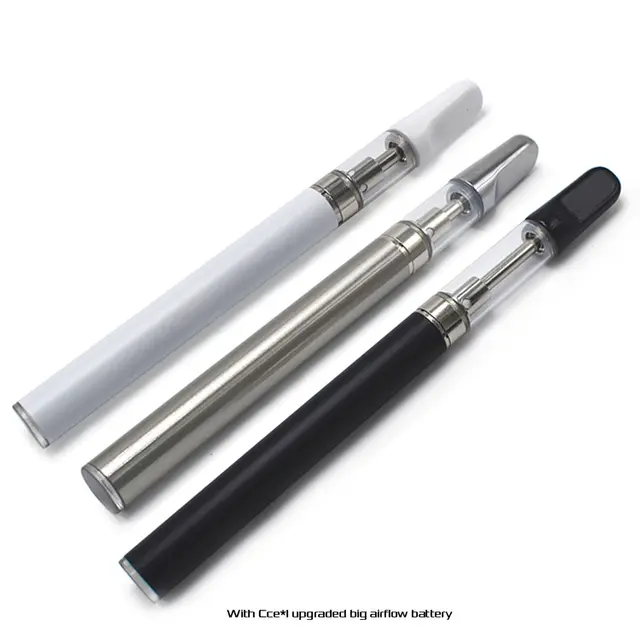
Several factors determine the typical lifespan of a 510 Battery. These include battery chemistry, charge cycles, voltage regulation, and user behavior. Most 510 Batteries use lithium-ion cells due to their high energy density and rechargeability. However, repeated deep discharges or overcharging can accelerate capacity loss.
Other factors affecting longevity include:
Charge and discharge frequency – Batteries cycled frequently at high output levels degrade faster.
Temperature exposure – Excessive heat or cold can reduce chemical stability and shorten lifespan.
Cartridge compatibility – Using cartridges that demand higher current than recommended strains the battery.
Maintenance habits – Regular cleaning of connections and avoiding prolonged idle charging preserves performance.
A careful balance between usage intensity and maintenance practices often defines the real-world lifespan more than the theoretical specifications listed by manufacturers.
The typical lifespan of a 510 Battery varies depending on design and capacity. Below is a summary of estimated ranges:
| Battery Type | Average Lifespan (Charge Cycles) | Approximate Duration in Years | Notes on Longevity |
|---|---|---|---|
| Standard 510 Battery | 300–500 | 1–2 | Basic devices with moderate use |
| High Capacity 510 Battery | 500–800 | 2–3 | Suitable for heavy users or high-draw cartridges |
| Variable Voltage 510 Battery | 400–700 | 1.5–3 | Lifespan may vary based on voltage settings |
| Auto Draw 510 Battery | 350–600 | 1–2.5 | Frequent auto draws may slightly accelerate degradation |
| USB-C Charging 510 Battery | 500–800 | 2–3 | Faster charging reduces downtime but can increase heat |
As shown, battery capacity, feature set, and use case directly affect lifespan. Users often misjudge longevity because performance appears stable initially but gradually declines after 300–400 charge cycles.
The way a 510 Battery is used has a profound effect on its lifespan. Continuous heavy use, such as multiple sessions per day, accelerates chemical wear. On the other hand, intermittent use with moderate intensity prolongs overall service life.
Additionally, auto draw batteries may experience different degradation patterns compared to manual draw types. Auto draw functionality triggers the battery with every inhale, creating more frequent micro-cycles, which can slightly shorten lifespan if not paired with proper charging habits. Conversely, variable voltage users who frequently adjust the output may stress the battery differently, as higher voltages increase current draw and internal heat.
Smart usage strategies include:
Limiting continuous high-output sessions
Allowing the battery to rest between uses
Avoiding fully depleting the battery to 0% frequently
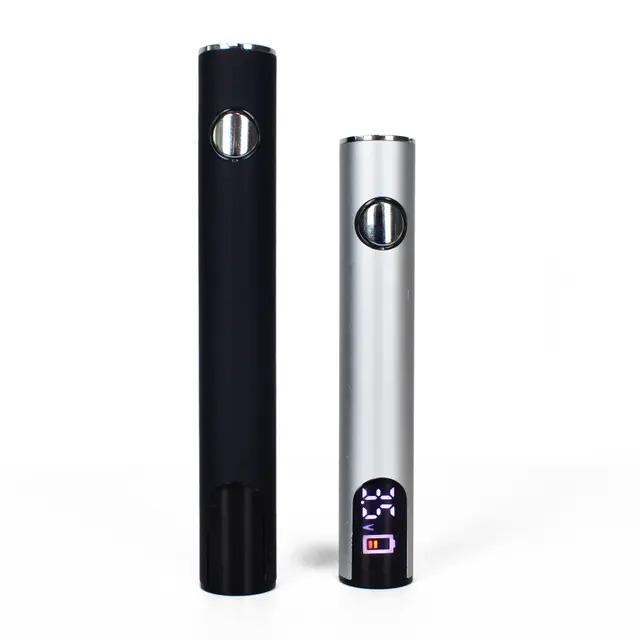
Proper charging is one of the most effective ways to extend the life of a 510 Battery, especially those with USB-C charging ports. Optimal practices include:
Using the charger that matches the battery’s voltage and current rating.
Avoiding overnight charging that can maintain the battery at 100% for extended periods.
Charging before the battery is completely drained to reduce stress on lithium-ion cells.
Maintaining moderate temperatures during charging to prevent heat-induced degradation.
Following these routines can help maintain up to 80% of the original capacity well beyond 500 cycles for high-quality high capacity 510 Batteries.
Environmental factors significantly influence the typical lifespan of a 510 Battery. Exposure to extreme temperatures, humidity, or direct sunlight can accelerate internal chemical breakdown. Key considerations include:
Heat: High temperatures cause lithium-ion batteries to expand and degrade faster.
Cold: Extremely low temperatures temporarily reduce battery efficiency and can lead to permanent capacity loss if repeated frequently.
Moisture: Excessive humidity or contact with liquids can damage the battery casing and internal electronics.
By storing 510 Batteries in a cool, dry place and avoiding exposure to harsh conditions, users can preserve performance over a longer period.
Recognizing when a 510 Battery is approaching the end of its lifespan is essential for both safety and performance. Common indicators include:
Rapid decline in session time or capacity
Inconsistent power output
Overheating during charging or usage
Battery failing to hold a charge despite correct charging practices
Replacing a small 510 Battery before severe degradation prevents damage to cartridges and maintains a consistent vaping experience.
The typical lifespan of a 510 Battery depends on a combination of design, usage patterns, charging habits, and environmental conditions. While most standard 510 Batteries last between 1–2 years, high-capacity or optimized units with careful maintenance can reach 3 years or more. By understanding factors such as auto draw usage, variable voltage stress, and proper charging, users can extend battery life, maintain consistent performance, and avoid premature failures. Prioritizing these best practices ensures that the 510 Battery remains a reliable power source for any compatible cartridge.
Q1: How many charge cycles can a 510 Battery typically handle?
A: Most standard 510 Batteries manage between 300–500 full charge cycles, while high-capacity models can handle up to 800 cycles.
Q2: Does variable voltage reduce battery lifespan?
A: Frequent high-voltage use can increase internal stress and heat, slightly reducing lifespan compared to moderate voltage settings.
Q3: Can environmental conditions shorten a 510 Battery’s life?
A: Yes. Exposure to heat, cold, or moisture can accelerate degradation of the lithium-ion cells.
Q4: How can I extend the lifespan of a USB-C charging 510 Battery?
A: Use appropriate chargers, avoid full discharges, limit overnight charging, and store the battery in a cool, dry location.
Q5: When should I replace a 510 Battery?
A: If you notice reduced capacity, inconsistent power, overheating, or failure to hold a charge, it’s time to replace the battery.


