


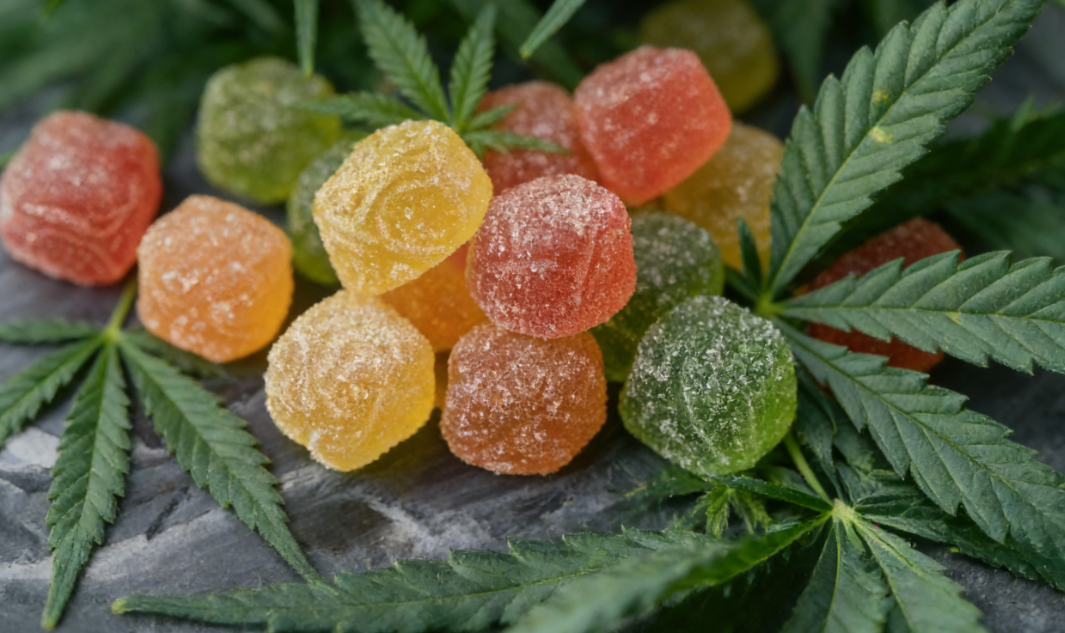
Colorful little bears, tangy and sweet fruit flavors, a chewy and soft texture—if you didn't know, you'd think they were just ordinary gummies. But today, in convenience stores, pharmacies, and even gas stations across many countries worldwide, you can find these special candies. They are CBD gummies, a functional food infused with cannabidiol. From North America to Europe, from Southeast Asia to Oceania, this tiny candy is charting a unique global sales map.
CBD gummies, as the name suggests, are products that incorporate CBD into traditional gummy candies. CBD is short for cannabidiol, a compound extracted from industrial hemp. Unlike THC, the psychoactive component in cannabis that makes people feel "high," CBD is non-psychoactive and non-addictive. Proponents believe it may help alleviate anxiety, improve sleep, and reduce chronic pain. When this ingredient meets the universally popular gummy format, it creates a product that combines the pleasure of a snack with potential health benefits, quickly capturing the hearts of modern consumers.
So, where are these sweet treats primarily sold? Their global footprint shows distinct regional characteristics.
North America is the largest market for CBD gummies. In the United States, the passage of the 2018 Farm Bill removed industrial hemp and its derivatives from the list of controlled substances, opening up vast commercial space for CBD products,cannabis oil products too, such as live resin, live rosin,1g disposable vape,2g distillate products, thc vape,510 cartridges, 510 battery,disposable vape pen, and so on. Today, CBD gummies are nearly ubiquitous, from pharmacies in New York to gas stations in Los Angeles, from health food stores in Seattle to convenience stores in Texas. Major pharmacy chains like CVS and Walgreens, and even some supermarkets, have begun stocking these items. Following Canada's full legalization of cannabis, CBD gummies are also legally sold in provincially licensed stores and online platforms. According to market research, North America accounts for nearly 80% of the global CBD consumer product market, with gummies being one of the most popular forms.
Europe follows closely, with the UK leading the way. As one of the first countries to classify CBD as a novel food, the UK has established a relatively comprehensive regulatory framework, allowing products that meet safety standards to be sold legally. In London, you can find various brands of CBD gummies at multiple pharmacies like Boots and health food stores like Holland & Barrett. Markets in Germany, Switzerland, and Austria are also quite mature, with CBD gummies even appearing on supermarket shelves in some areas.
Interestingly, Asia is beginning to appear on this map. Thailand has significantly relaxed its controls on cannabis in recent years, becoming the first country in Asia to permit the legal sale of CBD products. At 7-Eleven stores, drugstores, and airport duty-free shops in Bangkok, tourists can easily purchase a variety of CBD gummies, often recommended as souvenirs for visitors from regions where CBD is permitted. This open mind has attracted a wave of "cannabis tourism" and injected new vitality into Thailand's retail sector. However, policies can change at any time.
In Oceania, both Australia and New Zealand allow the sale of CBD products, but regulations are relatively strict. In Australia, CBD is classified as a pharmacist-only, over-the-counter medicine. Consumers need to consult a pharmacist before purchasing, and gummy formulations have been gradually increasing in recent years.
Why have these countries become the primary sales markets for CBD gummies? Several factors are at play.
Policy openness is the foremost prerequisite. Whether it's the updated US Farm Bill, the UK's novel food certification, or Thailand's relaxation of medical cannabis rules, these changes provided legal space for CBD products. Without policy breakthroughs, no amount of market demand could create a legal market.
Consumer demand is the core driver. In today's fast-paced world, anxiety, insomnia, and chronic pain are common health issues plaguing many. Compared to traditional medications, CBD gummies, appearing as a food product, lower the psychological barrier to trying them. Surveys indicate that about one-third of US adults are open to trying CBD products, with gummies being the most popular format due to their convenience, taste, and precise dosing.
The product format's advantages are significant. Gummies integrate a functional ingredient into an everyday snack, achieving a dual satisfaction of "wellness + pleasure." They are portable, require no water, come in various flavors, and lack the "patient" feeling associated with traditional medicine. For those who dislike swallowing pills or have reservations about medication—especially younger consumers—gummies have natural appeal.
The influx of commercial capital accelerated market expansion. Hundreds of CBD gummy brands have emerged in North America and Europe, from startups to traditional candy companies. Driven by investment, products are constantly innovating: sugar-free versions, sleep-aid formulas with added melatonin, functional upgrades with vitamins—the dazzling array of choices further stimulates consumption.
However, this sales map has its boundaries. In many countries and regions, the sale of CBD gummies remains restricted or even prohibited. Japan allows the import and use of CBD products but requires that THC be completely removed during production and strictly regulates medical efficacy claims. Singapore, Malaysia, and Indonesia take a strict prohibition stance, with possession or sale potentially leading to severe penalties. Even in countries where sales are permitted, regulations are constantly evolving. The US FDA has still not formally approved CBD as a food additive, meaning products on the market technically exist in a grey area of "legal but not fully approved." Regulatory policies in some EU member states are also continuously evolving.
For consumers facing this candy traveling the globe, the most crucial thing isn't knowing where it sells best, but understanding what is permitted in their own location. In regions where sales are allowed, a wise choice is to select reputable brands with third-party test reports, ensuring THC content complies with regulations, and maintain a rational perspective on advertised benefits. In prohibited areas, one must abide by local laws and refrain from attempting to purchase or carry it across borders.
From gas stations in North America to convenience stores in Bangkok, from pharmacies in London to online shops in Sydney, CBD gummies are charting an ever-expanding global sales map. This map reflects different nations' attitudes towards emerging health and wellness trends and serves as a reminder: while enjoying the possibilities offered by innovative products, understanding and adhering to the rules is always the first lesson for consumers.


