
Views: 0 Author: Site Editor Publish Time: 2026-03-11 Origin: Site


Vape cartridges flood the market today. But are all cartridges safe?Many users choose Distillate Vape products. Yet quality can vary widely.In this article, you will learn how to judge Distillate Vape quality. We will review oil clarity, flavor, hardware design, and lab testing.
Evaluating the quality of a distillate vape cartridge does not always require advanced laboratory equipment, because several visible and sensory indicators can already reveal a great deal about the purity, formulation, and manufacturing quality of the product.
One of the first indicators of distillate quality is the color and transparency of the oil, because well-refined cannabis distillate typically appears clear to light golden yellow when exposed to light. This transparent appearance occurs because the distillation process removes many unwanted compounds such as chlorophyll, waxes, and plant lipids, leaving behind highly purified cannabinoids.
When examining a cartridge, high-quality distillate should allow light to pass through the oil easily, giving it a bright honey-like appearance. Darker colors, such as amber, reddish, or brown tones, may suggest oxidation, impurities, or older extraction material, although in some cases darker tones can also result from the addition of terpene extracts or full-spectrum blends.
The table below shows how oil color may relate to distillate quality.
Oil Appearance | Possible Meaning | Quality Indication |
Clear light gold | Highly refined distillate | High purity |
Pale yellow | Fresh oil with good filtration | High quality |
Dark amber | Possible oxidation or aging | Medium quality |
Reddish or brown | Impurities or degraded extract | Lower quality |
Although color alone cannot confirm quality, it is often a useful first step when comparing multiple cartridges.
Another important indicator is oil viscosity, which refers to how thick or dense the distillate oil appears inside the cartridge. Because distillate contains high concentrations of cannabinoids, it naturally has a thick and slow-moving consistency at room temperature.
When a cartridge is turned upside down, high-quality distillate oil should move slowly and take several seconds to change position inside the tank. If the oil flows rapidly or appears watery, this may indicate that the oil has been diluted with thinning agents such as Propylene Glycol (PG), Vegetable Glycerin (VG), or Medium Chain Triglyceride (MCT) oil. These additives are sometimes used to reduce viscosity or increase volume, but they can lower cannabinoid concentration and affect vapor quality.
A quick viscosity comparison between high-quality and diluted vape oils is shown below.
Oil Behavior | Possible Cause | Quality Level |
Slow movement | Pure distillate oil | High |
Medium movement | Balanced terpene mix | Good |
Fast movement | Dilution or additives | Low |
For this reason, viscosity observation is often one of the simplest ways to distinguish between pure and diluted distillate vape products.
The inhalation experience provides another clear signal of distillate quality. A premium Distillate Vape cartridge should produce smooth vapor that feels comfortable when inhaled, with minimal throat irritation and no burning sensation. This smoothness usually indicates that the oil has been properly refined and that the terpene blend is balanced.
When vapor feels harsh or irritating, several potential issues may be responsible. Residual solvents from the extraction process, pesticide contamination in the source plant material, or excessive terpene concentrations can all contribute to harsh vapor. In some cases, poor hardware design may also cause overheating, which burns the oil and creates an unpleasant taste.
Because of these factors, vapor smoothness is often considered one of the most reliable indicators of product quality.
High-quality distillate cartridges should provide natural and well-balanced flavor, which is typically created by adding terpene blends to the purified distillate oil. Terpenes are aromatic compounds found in cannabis and many other plants, and they are responsible for the characteristic scents and flavors associated with different cannabis strains.
Natural terpene blends usually create flavor notes such as citrus, pine, floral, or earthy tones, depending on the terpene composition. By contrast, cartridges containing artificial flavoring or poorly balanced terpene mixtures may produce candy-like sweetness or chemical aftertaste that feels unnatural.
Authentic terpene flavor should feel subtle and smooth rather than overly sweet or artificial.
Closely related to flavor is the aroma of the distillate, which can reveal the terpene profile used in the cartridge formulation. Terpenes such as limonene, pinene, and linalool produce distinctive scents that many experienced vape users can easily recognize.
Terpene | Typical Aroma | Common Effect |
Limonene | Citrus | Uplifting |
Pinene | Pine | Alertness |
Linalool | Floral | Relaxation |
Myrcene | Earthy | Calming |
When the aroma smells overly sharp or artificial, this may indicate synthetic terpene mixtures rather than naturally derived terpene extracts.
Another critical indicator of quality is the ingredient list, since premium distillate vape cartridges typically contain only two key components: high-purity distillate oil and carefully balanced terpene blends.
These additives are sometimes used to modify viscosity or reduce production cost, but they can compromise both flavor and safety. For this reason, reputable vape manufacturers avoid unnecessary additives whenever possible.
A final indicator of distillate quality is oil stability, which refers to how the oil behaves over time inside the cartridge. High-quality distillate oil should remain visually consistent without separating, darkening, or crystallizing rapidly.
While some distillate oils may naturally crystallize under certain cannabinoid ratios, sudden changes in oil appearance or texture may indicate poor formulation or contamination.
To evaluate quality effectively, it is also important to understand what distillate oil is and how it is produced.
Distillate oil is a highly refined extract created through a process known as fractional distillation. This process removes unwanted compounds while isolating key cannabinoid compounds. During refinement, plant waxes, chlorophyll, and other impurities are separated from the active components, producing a purified oil that often contains very high cannabinoid concentrations.
Distillate oil is widely used in vape cartridges because it offers high potency, neutral flavor before terpene addition, and consistent composition, which makes it ideal for standardized vape formulations.
The formulation of a vape cartridge plays an important role in determining its overall performance, flavor stability, and safety. High-quality Distillate Vape products rely on a balanced combination of refined distillate oil and terpene blends. The active compounds provide potency, while terpenes contribute to flavor, aroma, and overall vapor experience.
If the concentration of active compounds is too high without sufficient terpene balance, the vapor may feel flat or lack flavor. On the other hand, excessive terpene content can produce harsh vapor and throat irritation. Maintaining the right balance between these components is essential for delivering smooth, consistent vapor and a pleasant flavor profile.
A typical formulation range might look like this:
Component | Typical Percentage |
Active compounds | 70–90% |
Terpenes | 5–15% |
Other compounds | <5% |
Balanced formulations help ensure smooth vapor and authentic flavor.
Third-party laboratory testing is one of the most important factors in verifying vape product quality. Reliable vape brands typically provide Certificates of Analysis (COA) that confirm the cannabinoid composition and safety of the oil.
These reports often include several safety tests:
● Active compound potency analysis
● Terpene profile analysis
● Pesticide screening
● Heavy metal detection
● Residual solvent testing
● Microbial contamination testing
Consumers can often access these reports through QR codes printed on the packaging or by searching the batch number on the manufacturer’s website. Transparent lab testing helps ensure that the product meets safety standards and contains the ingredients stated on the label.
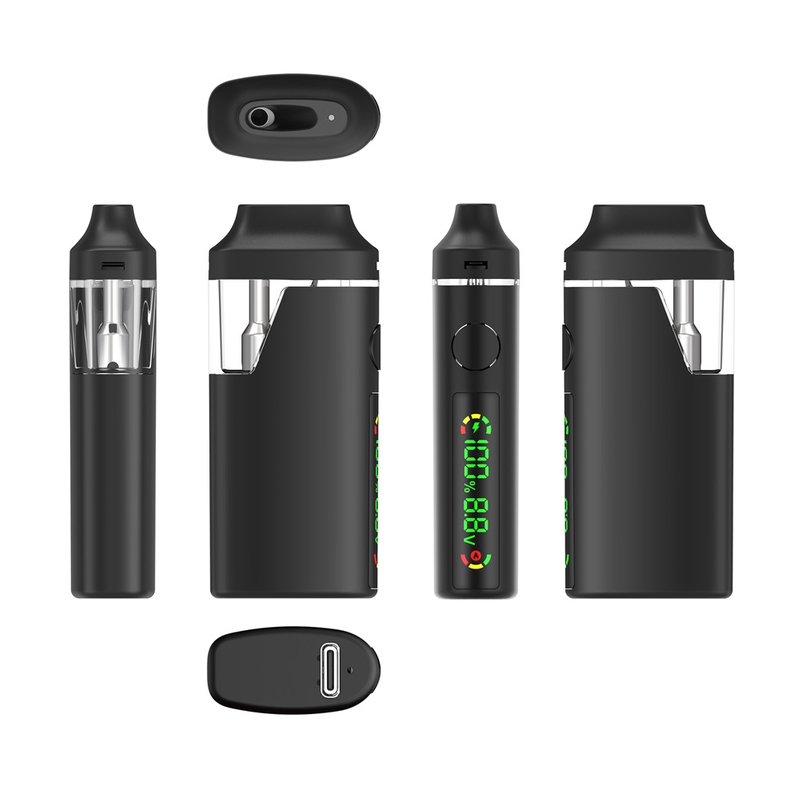
Even the highest quality distillate oil cannot perform well if the cartridge hardware is poorly designed, because vapor quality depends heavily on the heating system and airflow structure of the device.
High-quality cartridges typically use glass tanks, ceramic heating cores, and stainless-steel connectors, which provide better heat resistance and prevent contamination compared to plastic components. Ceramic coils are particularly popular because they distribute heat evenly and help preserve terpene flavor without burning the oil.
Manufacturers such as iPlayecigs focus on producing premium 510 vape cartridges that are optimized for thick distillate oils, ensuring stable vaporization and preventing issues such as leakage or clogging. In addition to standard cartridges, the company also provides disposable vape devices and empty cartridges for distillate formulations, making them suitable for both retail brands and wholesale distributors.
Furthermore, experienced manufacturers often provide ODM and OEM services, allowing businesses to design customized vape cartridges tailored to their specific distillate oil formulations and branding requirements. This flexibility is particularly valuable for cannabis brands that want to develop unique cartridge designs while maintaining reliable performance.
Although distillate is widely used in vape cartridges, other extract types such as full-spectrum extracts and live rosin have also gained popularity in recent years.
Full-spectrum extracts preserve a wider range of active compounds and natural terpenes from the original plant extract, which can create a richer and more layered vapor experience as multiple compounds interact with each other. Solventless premium extracts, on the other hand, are produced by pressing fresh plant material using heat and pressure, resulting in highly pure oil with strong terpene flavor.
However, distillate remains a popular option because it provides consistent potency, flexible flavor customization, and relatively lower production costs.
Recognizing warning signs can help consumers avoid low-quality vape cartridges.
Several common red flags include extremely low prices, lack of ingredient transparency, artificial flavor overload, and poor packaging quality. Products that do not provide batch numbers or lab test information may be counterfeit or poorly regulated.
When evaluating a vape cartridge, consumers should always verify the oil appearance, ingredient list, hardware quality, and lab testing data before making a purchase.
Determining the quality of a Distillate Vape requires looking at several key factors, including oil clarity, viscosity, terpene balance, ingredient transparency, cartridge hardware, and verified lab testing. A premium vape cartridge should contain purified distillate oil, natural terpene blends, and reliable hardware that delivers smooth and consistent vapor.
Hardware quality is equally important, since even the best oil cannot perform well in a poorly designed cartridge. Manufacturers such as iPlayecigs, known for producing premium 510 vape cartridges, disposable vapes, and OEM/ODM cartridge solutions, help brands maintain stable performance across different devices and market demands.
By understanding these quality indicators and choosing trusted suppliers, consumers and businesses can confidently select Distillate Vape cartridges that provide safe, flavorful, and consistent vaping experiences.
A: Check oil clarity, viscosity, terpene balance, and verified lab tests for the Distillate Vape.
A: A harsh Distillate Vape often indicates poor refinement, additives, or low-quality hardware.
A: A quality Distillate Vape usually appears clear, golden, and thick with slow oil movement.
A: Not always, but higher-priced Distillate Vape products often include better oil and hardware.


