
Views: 0 Author: Site Editor Publish Time: 2026-06-15 Origin: Site


Vaping involves a simple physical reality. Once you deplete the extract or juice, residual buildup remains behind. Left untreated, this sticky residue degrades flavor profiles, blocks internal airflow, and significantly compromises battery safety. Many users try to maintain their devices but end up doing more harm than good. Improper cleaning techniques routinely destroy hardware. They lead to short-circuited battery terminals or cracked ceramic heating elements. You need a systematic approach to safely handle these delicate electronics.
We developed this article as a technical, evidence-backed standard operating procedure. It will guide you through safely handling, evaluating, and restoring your device. You will learn how to extract stubborn residue, choose the right solvents, and avoid critical safety hazards. Whether you want to revitalize a daily driver or prepare a unit for eco-friendly disposal, these targeted hardware frameworks ensure you manage the next lifecycle phase correctly.
Assessing device health is the prerequisite to cleaning; heavily oxidized coils cannot be salvaged.
Isopropyl alcohol (90%+) and precision applicators are non-negotiable for safe residue removal.
Different architectures—from a modern **postless vape pen** to a traditional 510-thread—require distinct, hardware-specific cleaning frameworks.
Attempting to clean a **disposable vape pen** for reuse is a safety risk; focus instead on safe battery disposal and recycling.
Maintaining vaporizer hardware requires an initial investment of time. You must weigh this time cost against the performance drop of a clogged, dirty device. Routine maintenance restores vapor production and battery efficiency. However, intensive deep cleaning is not always the best solution. Sometimes, hardware simply reaches its physical limit. Knowing when to salvage an empty vape pen and when to replace it saves time and frustration.
You need objective success criteria to evaluate the device. We use three specific dimensions to diagnose hardware health before attempting any cleaning protocols. If your device fails multiple checks, replacing it is your safest option.
Flavor Ghosting: Assess the wicking material. Is the previous flavor profile permanently steeped into the cotton? If strong menthol or dark tobacco flavors bleed into a fresh refill, the wick is fundamentally compromised.
Airflow Resistance: Diagnose the exact location of the clog. Surface clogs in the mouthpiece are easily fixable. Deep blockages within the internal heating chamber often signal irreversible resin buildup.
Visual Inspection: Look closely at the heating element. Simple surface residue appears shiny and sticky. Conversely, burnt cotton looks dark black and degraded ceramic looks chalky or cracked.
Use strict shortlisting logic to make your decision. Set a clear threshold for replacement. If a device requires more than 15 minutes of intensive solvent soaking, it is no longer cost-effective or safe to maintain. Hardware upgrades offer better reliability. The following chart provides a quick visual framework for your decision.
Evaluation Dimension | Clean the Device | Replace the Device |
|---|---|---|
Flavor Quality | Slight muted flavor or minor residue | Severe flavor ghosting or harsh burnt taste |
Airflow | Minor restriction in the mouthpiece | Total blockage deep inside the coil shaft |
Visual Health | Golden or light amber sticky residue | Black, charred cotton or cracked ceramic |
Time Investment | Can be resolved in under 10 minutes | Requires heavy soaking and scraping |
You cannot effectively clean a device that still contains large amounts of residual liquid. Attempting to introduce solvents into a partially filled tank leads to immediate contamination. The solvent mixes with the leftover distillate, creating a toxic, unusable sludge. You must extract every usable drop of residue before starting the actual cleaning process.
Follow this step-by-step emptying procedure to ensure you protect the internal electronics while maximizing liquid recovery.
Isolation: Always separate the pod or tank from the battery module first. Do this before applying heat or removing any liquid. This critical step prevents hot oils or solvents from causing electronic ingress.
Temperature Control: Use gentle, ambient heat to lower the viscosity of thick distillates or wax. A hair dryer set to low heat works perfectly. Sweep the warm air across the glass or plastic. Never use open flames like lighters. Direct flames melt plastic pods and shatter Pyrex glass tanks.
Gravity Draining: Angle the pod or tank at 45 degrees. Allow the newly thinned residual oil to pool naturally near the exit port. Place a small silicone container beneath the opening to catch the warm extract. Let gravity do the work over a few minutes.
Completing this pre-cleaning protocol ensures your hardware is dry, isolated, and ready for targeted solvent application. Skipping these steps guarantees a messy, ineffective cleaning session.
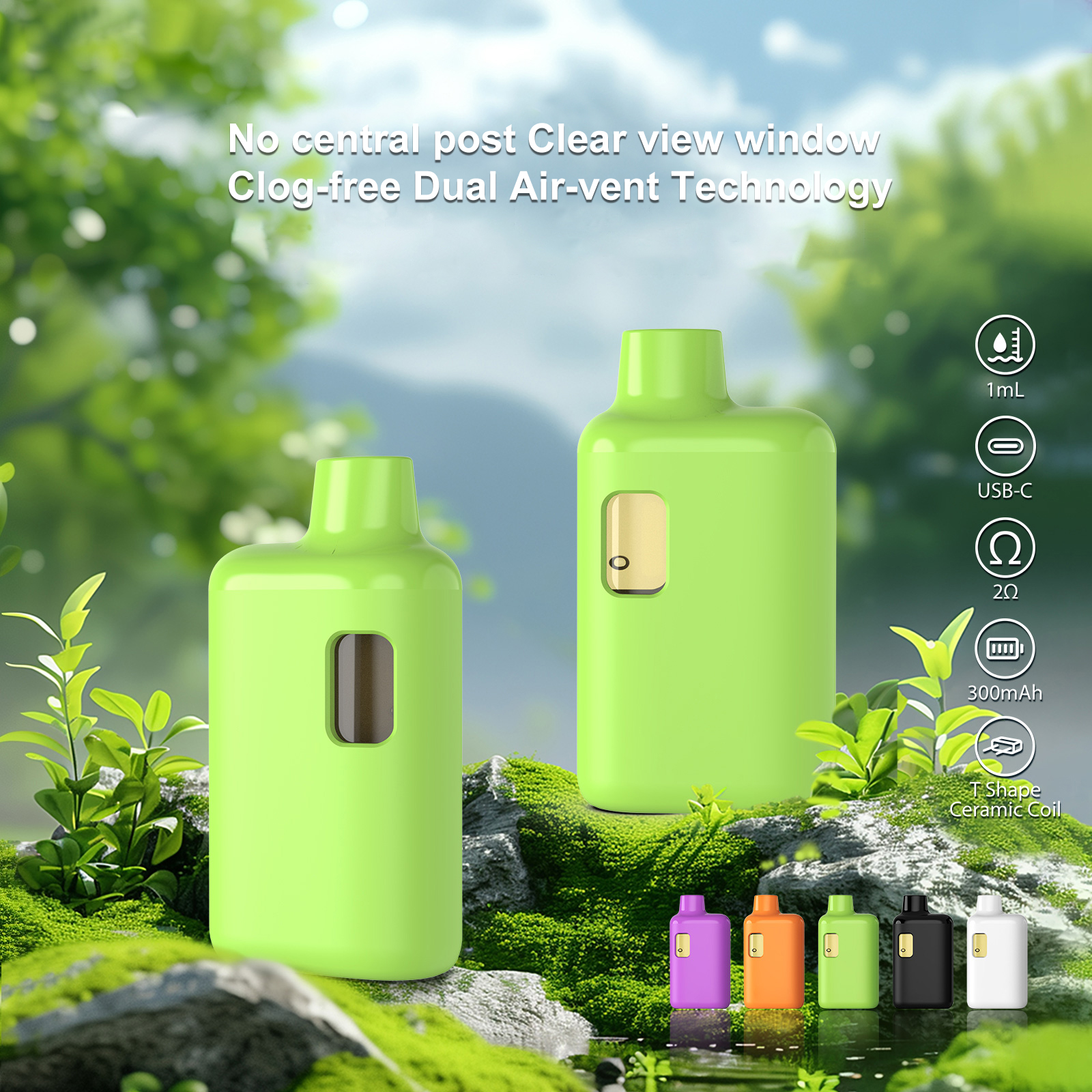
Modern vaporizers use vastly different internal designs. Grouping cleaning methods by specific hardware architecture ensures you receive accurate, safe guidance. A method that works for a glass tank will destroy a porous coil. You must match your maintenance strategy to your exact equipment.
Ceramic heating elements require extreme caution. The primary risk factor is the physical structure of the ceramic itself. It is highly porous and extremely brittle. Aggressive scraping with metal tools will instantly crack the core, ruining the unit.
To clean a ceramic coil vape, rely on chemical dissolution rather than physical force. Use a precision cotton swab lightly dipped in 90% or higher isopropyl alcohol. Gently swab the exterior walls of the ceramic chamber. Do not push the cotton directly into the center air hole. The porous ceramic will absorb tiny amounts of the alcohol. We strongly emphasize a mandatory 24-hour dry time in a well-ventilated area. This allows the solvent to fully evaporate from the micropores before your next use.
The hardware reality of modern integrated devices is very different from older 510-thread cartridges. Because they lack a traditional metal center post, internal residue pools differently. Thick oils often settle completely flat at the base of the chamber.
When maintaining an all in one vaporizer, shift your focus to the integrated airflow pathways. Use small, flexible interdental brushes to clear the side intake channels. Lightly mist the brush with alcohol beforehand. The postless design presents a massive low-maintenance advantage. You no longer have to navigate around a central metal tube. You can easily wipe the flat base clean using a standard Q-tip. A modern postless vape pen usually takes half the time to service compared to legacy hardware.
We must explicitly debunk a dangerous myth regarding single-use hardware. "Cleaning" the internal tank of a disposable device to refill it poses a massive fire and battery hazard. These units are sealed at the factory. Prying them open damages the internal wiring and exposes the lithium-ion cell to physical stress.
If you own a disposable vape pen, do not attempt an internal deep clean. Redirect your efforts to external sanitation instead. Wipe down the outer casing and the mouthpiece with an antibacterial wipe during its final days of use. Once the internal battery dies or the liquid depletes, immediately transition the device to end-of-life disposal.
Device failure usually originates at the power connection, not the tank. E-liquid frequently leaks onto battery terminals, causing a severe drop in voltage delivery. This sticky film interrupts the electrical current, resulting in weak vapor production or rapid battery drain. Proper security and compliance with electrical safety standards are vital here.
Execute these specific cleaning steps to restore optimal power flow. First, grab a clean Q-tip and minimally dampen it with high-proof isopropyl alcohol. Ensure it is not dripping or soaking wet. Swab the interior 510-connection threads of your battery to remove pocket lint and dried juice. Next, gently polish the gold or silver battery contact pin. This ensures stable voltage delivery between the battery and the atomizer.
You must adhere to a strict safety warning during this phase. Never plug a recently cleaned battery into a charger until it is visibly and fully dry. Even a microscopic drop of trapped liquid can bridge the positive and negative terminals, triggering a dangerous short circuit.
Transparently listing what you should avoid builds a safer maintenance routine. Many users damage their hardware by relying on bad habits or household myths. We provide this clear list of prohibited actions to protect your equipment and your personal safety.
Water Submersion: Never rinse vape batteries or complex tank assemblies under running water. Water triggers immediate micro-corrosion in internal wiring. Unlike alcohol, water evaporates slowly. It stays trapped inside the chassis, slowly rusting the metal contacts and ruining the mainboard.
Household Cleaners: Avoid glass cleaners, bleach, or dish soap at all costs. These chemicals leave behind invisible, toxic films. Inhaling bleach or ammonia residue upon your next use poses severe respiratory toxicity risks. Stick exclusively to 90%+ isopropyl alcohol.
Premature Firing: This is a major fire hazard. Do not activate the battery immediately after swabbing a coil with alcohol. You risk igniting trapped alcohol fumes inside the chamber. Always perform several "dry pulls" (inhaling without pressing the fire button) to clear residual fumes before supplying power.
Hardware inevitably fails. Coils burn out permanently, and batteries lose their ability to hold a charge. Addressing what to do when a clean empty vape is no longer operational requires strong ethics and an ESG (Environmental, Social, and Governance) focus. Tossing vaporizers into the trash is reckless.
You must prioritize safe breakdown procedures. If the device permits, carefully detach the tank sections from the battery chassis. Keep the glass and plastic away from the electronic core. Lithium-ion batteries remain highly volatile even when dead. Puncturing them during municipal trash compaction causes explosive chemical fires.
Adopt a strict environmental disposal framework. Direct your defunct devices to local e-waste recycling facilities. Many electronics retailers and specialized vape shops now offer dedicated drop-off bins. Using these designated bins keeps heavy metals out of the soil, preventing environmental hazards and protecting sanitation workers from unexpected battery fires.
Proper maintenance absolutely maximizes the lifespan, safety, and flavor production of quality vaporizers. Handling residue with the right solvents, respecting different hardware architectures, and keeping battery contacts pristine will drastically improve your vaping experience. Neglecting these steps leads to ruined equipment and compromised safety.
We encourage you to assess your current device today. Check the wicks for ghosting and inspect the airflows for hard clogs. If your older hardware is consistently difficult to clean and requires endless scraping, reconsider your setup. Evaluate modern, easier-to-maintain solutions like an advanced postless design or an integrated all-in-one chassis to save time and reduce maintenance headaches.
A: No. Tap water contains minerals that leave behind chalky deposits as they dry. Water also ruins the internal cotton wicking material, causing it to swell, mat down, and lose its capillary action. Always use high-proof isopropyl alcohol for cleaning instead of water.
A: You should wait between 12 to 24 hours before using the device again. The exact verifiable timeframe depends on evaporation. Do not fire the device until absolutely no solvent odor remains. Firing it too early risks inhaling toxic fumes or igniting trapped alcohol vapor.
A: A burnt taste indicates irreversible coil degradation, not a removable surface clog. Once the internal cotton wick scorches or the heating wire oxidizes heavily, cleaning cannot repair the physical damage. You must throw away the burnt coil or pod and install a fresh replacement.


