
Views: 216 Author: Site Editor Publish Time: 2026-01-28 Origin: Site


Ensuring that an Empty Vape is sealed well is a critical step before filling, storing, or distributing vape hardware. A poorly sealed unit can lead to leakage, oxidation of oil, inconsistent airflow, and long-term performance degradation. For users dealing with Refillable, Rechargeable, or High-Quality empty vape hardware designed for Distillate or for Thick Oil, seal integrity directly affects usability, safety, and shelf life. This guide focuses exclusively on practical, repeatable methods to evaluate whether an Empty Vape is sealed properly, using visual, physical, and functional testing techniques that can be applied without specialized laboratory equipment.
A well-sealed Empty Vape protects internal components from contamination, leakage, and pressure imbalance. When sealing is compromised, oil can seep into airflow channels or battery compartments, leading to clogging or electrical failure. This risk is significantly higher in Refillable systems and designs intended for Thick Oil, where viscosity places additional stress on seals.
From a performance standpoint, a sealed structure ensures consistent vaporization. Units using a Premium Ceramic Coil rely on stable internal pressure to deliver even heating. Any micro-leak can disrupt airflow ratios, resulting in weak draws or burnt oil taste. Additionally, sealing integrity preserves product freshness during storage, especially for High-Quality empty vape units that may sit unused before filling.
In regulated or export-oriented supply chains, seal quality also affects compliance. Leakage during transit can render large batches unusable. For this reason, sealing is not merely a cosmetic or secondary feature; it is a core functional requirement that determines whether an Empty Vape performs as designed over time.
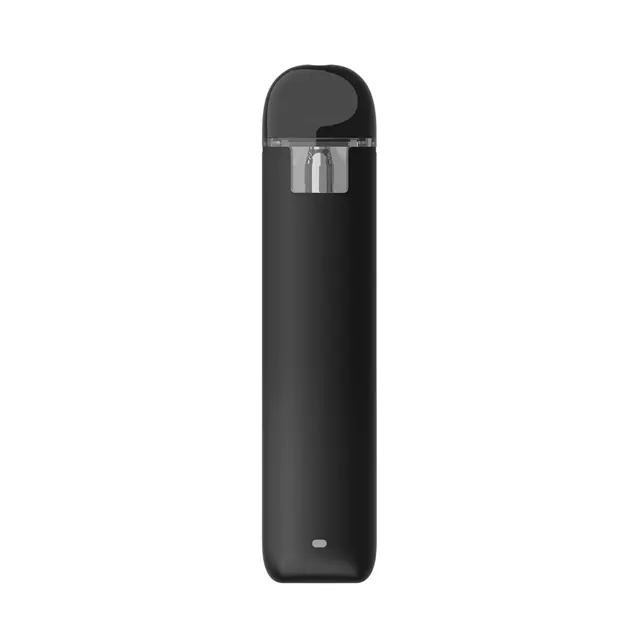
The first step in evaluating whether an Empty Vape is sealed well is a detailed visual inspection. While simple, this method is highly effective at identifying obvious defects that compromise sealing performance. Start by examining junction points where major components meet, such as the mouthpiece connection, tank base, and airflow ring. Uneven gaps, misalignment, or visible adhesive overflow can indicate inconsistent assembly.
Pay special attention to O-rings and gaskets. In High-Quality and Refillable empty vape designs, these components should sit flush, with no twisting or pinching. A damaged or improperly seated O-ring is one of the most common sources of leaks, especially in hardware designed for Distillate oils that are thinner and more prone to seepage.
Surface finish also matters. Hairline cracks near threaded sections or press-fit joints often expand under heat. For Rechargeable units, inspect the seam between the cartridge and power section closely, as oil infiltration here can lead to long-term failure. Visual inspection cannot detect micro-leaks, but it efficiently filters out poorly sealed units before deeper testing.
Applying controlled pressure is one of the most practical ways to assess sealing quality in an Empty Vape. A simple method involves gently pressing on the mouthpiece while blocking airflow openings. If resistance feels inconsistent or air escapes through unintended gaps, the seal may be compromised.
For Refillable designs, light squeezing of the tank section can reveal weak points. A well-sealed Empty Vape should maintain its shape without producing air bubbles or audible hissing. This is particularly important for models intended for Thick Oil, as pressure changes during filling can force oil through microscopic gaps.
Another approach is the dry leak test using a tissue or absorbent paper. Place the Empty Vape upright and inverted on the paper for several minutes. Even without oil, escaping air often carries residual manufacturing moisture that leaves faint marks. Consistent results across multiple orientations suggest uniform sealing. While simple, pressure testing provides actionable insight into whether an Empty Vape can withstand real-world use.
Airflow consistency is a direct indicator of sealing performance. When testing an Empty Vape, draw air through the mouthpiece without activating any heating element. The resistance should feel smooth and predictable. Sudden drops or whistling sounds often signal leaks around seals or threading.
Vacuum testing can be performed manually by covering airflow inlets and attempting to inhale. A properly sealed Empty Vape should create noticeable resistance and maintain suction momentarily. If air continues to flow freely, the internal chamber may not be airtight. This issue is especially problematic in units using a Premium Ceramic Coil, where stable airflow is necessary for even saturation and vapor production.
For Rechargeable systems, airflow leaks can also affect battery efficiency by forcing users to draw harder than intended. Over time, this places unnecessary strain on internal components. Regular airflow and vacuum checks help confirm that an Empty Vape is sealed well enough to deliver consistent performance throughout its lifespan.
Seal integrity depends heavily on material compatibility and precision manufacturing. When assessing an Empty Vape, evaluate how different materials interface with one another. Metal-to-glass and metal-to-plastic joints must be machined accurately to prevent micro-gaps. In High-Quality designs, tolerances are tight enough that components fit smoothly without excessive force.
Check threading engagement carefully. Threads should screw together evenly without cross-threading or wobble. Poor thread fit is a leading cause of leaks in Refillable empty vape systems. For products designed for Thick Oil, any looseness can allow viscous oil to migrate slowly over time.
The following table summarizes common component fit indicators and what they reveal about sealing quality:
| Component Area | What to Check | Sealing Implication |
|---|---|---|
| Mouthpiece Fit | Flush, no rocking | Prevents top-end leaks |
| Tank Threads | Smooth, even rotation | Ensures pressure stability |
| O-Ring Seating | No twists or gaps | Blocks oil migration |
| Base Connection | Firm press-fit | Protects airflow chamber |
Analyzing fit quality provides insight into whether an Empty Vape is engineered for durability or short-term use.
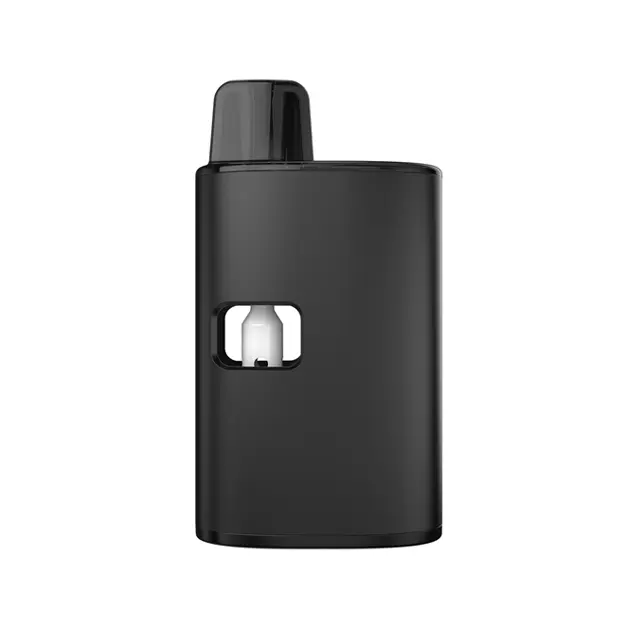
Sealing performance must hold up under real storage conditions. To simulate this, place the Empty Vape in environments with varying temperatures and orientations. Heat causes materials to expand, often exposing weak seals. After warming the unit slightly, repeat visual and airflow inspections to check for changes.
Cold conditions can also reveal problems. Seals that shrink too much may lose contact, particularly in Refillable designs. This matters for High-Quality empty vape hardware intended for long-term storage before filling. Even without oil, internal pressure shifts can highlight structural weaknesses.
Orientation testing is equally important. Store the Empty Vape horizontally, upside down, and upright for extended periods. A well-sealed unit maintains integrity regardless of position. These stress tests help ensure that an Empty Vape remains sealed well throughout shipping, storage, and eventual use.
Understanding typical sealing defects makes detection faster and more accurate. One frequent issue is uneven adhesive application, which creates weak points that fail under pressure. This defect is often visible during close inspection and is common in lower-grade Empty Vape assemblies.
Another issue is material incompatibility. Certain plastics degrade when exposed to oils intended for Distillate, causing seals to soften or warp. While this may not be visible immediately, early signs include changes in airflow resistance or slight deformation near joints.
Finally, inconsistent machining can lead to asymmetrical gaps. These defects often escape casual inspection but become apparent during vacuum testing. Recognizing these patterns allows users and distributors to filter out poorly sealed units and prioritize High-Quality, well-sealed Empty Vape hardware.
Checking whether an Empty Vape is sealed well requires a combination of observation, physical testing, and functional evaluation. Visual inspections catch obvious defects, while pressure and airflow tests reveal hidden weaknesses. Material fit analysis and storage simulations further confirm whether sealing integrity holds under real-world conditions. For Refillable, Rechargeable, and High-Quality empty vape systems—especially those designed for Thick Oil or for Distillate—seal quality is fundamental to performance, safety, and longevity. Applying these methods consistently ensures that each Empty Vape meets the standards required for reliable use.
Q1: Can an Empty Vape look sealed but still leak?
Yes. Micro-gaps or internal defects may not be visible but can be detected through airflow or pressure testing.
Q2: Is sealing more important for thick oils?
Absolutely. Empty Vape designs for Thick Oil experience higher internal pressure, making strong seals essential.
Q3: Do Rechargeable empty vapes need extra sealing checks?
Yes. Oil leakage near electrical components can cause long-term damage, so sealing is especially critical.
Q4: How often should sealing be checked on Refillable units?
Sealing should be checked before first use and periodically after refilling to ensure continued integrity.
Q5: Does a Premium Ceramic Coil affect sealing requirements?
Indirectly. A Premium Ceramic Coil relies on stable airflow and pressure, making good sealing essential for optimal performance.


