
Views: 0 Author: Site Editor Publish Time: 2026-03-18 Origin: Site


Struggling with weak or harsh hits from your variable voltage vape battery? Voltage controls coil heat, flavor and cloud size, so guessing often wastes good oil. In this guide, you will learn how to adjust voltage step by step on iPlay devices for smooth, repeatable hits.
A variable voltage vape battery is a power source that lets you choose between different voltage levels instead of staying locked on one fixed output. Voltage is the electrical pressure behind the current flowing through the coil, and changing that pressure changes how hot the coil becomes during a puff. With a fixed-voltage pen, you have to accept whatever heat level the manufacturer decided was “average” for most uses. With a variable voltage vape battery, you can adapt the same body to match thin or thick oils and soft or strong hits simply by changing the setting. This flexibility is why many modern 510 batteries and small box devices highlight adjustable voltage as their main feature.
Voltage directly shapes how each puff tastes and feels. At low voltage, the coil warms slowly and may not vaporize much oil, so vapor feels light, flavor is muted and the throat hit is very soft. At high voltage, the coil heats quickly and strongly, creating big clouds but also risking burnt flavor, hot vapor and a sharp, scratchy sensation. Most people end up preferring a middle zone where vapor is warm and full but still smooth, and flavor tastes clear rather than roasted. Adjusting voltage is essentially the process of finding that zone for your current coil and oil, then returning to it reliably whenever you use a similar cartridge again.
Variable voltage and variable wattage are two ways of controlling how much power reaches the coil. With variable voltage, you directly choose a voltage level, and the wattage is simply the result of that voltage and the coil’s resistance. With variable wattage, you choose a power level, and the device calculates whatever voltage is needed to reach it. Larger box mods often focus on wattage for flexible tank use, while many slim 510 pens and compact batteries stick to simple, familiar voltage steps. If your device is sold as a variable voltage vape battery, thinking in terms of low, medium and high voltage is usually more than enough to control heat effectively.
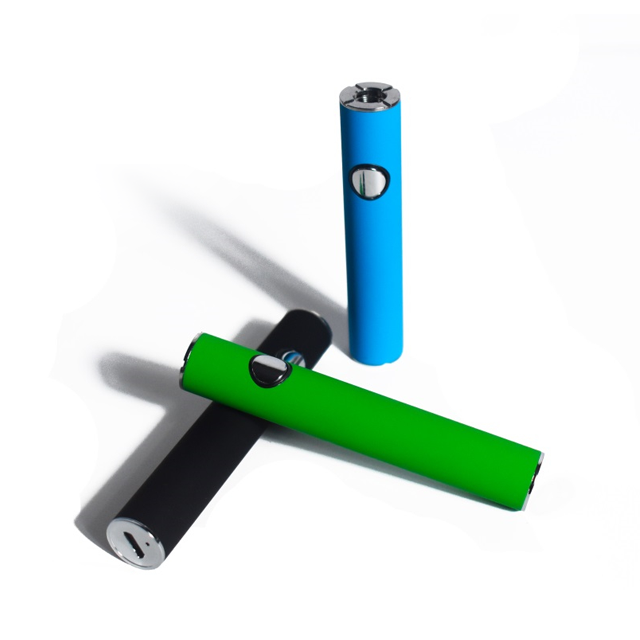
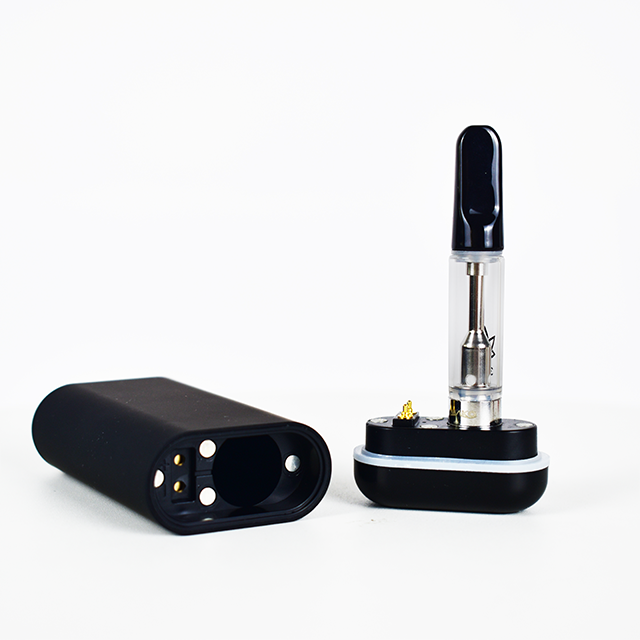
Variable voltage vape batteries come in a few common shapes that each focus on different priorities. Pen-style 510 batteries are slim and light, often with three colored voltage levels or a twist dial at the base, making them easy to carry and simple to use. Compact box devices are shorter but thicker, adding a small screen and separate buttons so you can adjust voltage in precise steps and sometimes switch to other modes. Concealed or key-fob batteries hide the cartridge inside the body, protecting it from damage and making the whole setup more discreet while still offering several voltage options. Once you learn how your model shows low, medium and high, the basic adjustment process feels similar across all these designs.
Coil resistance, measured in ohms, is one of the main technical factors you should consider when choosing a voltage. Simple 510 cartridges usually use higher-resistance coils that draw less current at a given voltage and therefore heat more gently, so they tend to work best at low to mid settings. Pushing these coils to the maximum voltage can quickly burn flavor, darken the oil and shorten the usable life of the cartridge. Lower-resistance coils can tolerate more power but are more common in larger tanks than in small oil pens. As a practical rule, treat standard 510 coils gently: start with a low voltage, evaluate vapor and only step upward gradually if clouds and taste feel too weak.
Oils are not all the same, and viscosity and flavor design both influence ideal voltage. Thick oils move slowly and may feel dull at very low voltage because the coil cannot vaporize enough liquid quickly. Slightly higher, mid-range settings often help these oils flow and produce fuller clouds without burning them. Thin or terpene-rich oils vaporize easily and can taste burnt if you use too much heat, because their delicate flavor compounds are more sensitive to high temperatures. When you switch between heavy, dessert-style formulas and light, aromatic blends, it is smart to adjust voltage at the same time instead of assuming one setting will fit every cartridge.
Your personal goals are just as important as the technical side. Some users care most about flavor and smoothness, preferring cooler, softer vapor even when clouds are modest. Others enjoy strong throat hit and dense, visible clouds that feel powerful and substantial. Variable voltage exists so you can move between these styles with the same battery instead of buying many different pens. Lower settings focus on comfort and clear taste, mid-levels balance taste and impact and higher levels emphasize intensity. Instead of copying a number from a friend, treat voltage as your own slider and stop at the point that gives the feeling you enjoy.
Every variable voltage vape battery is designed with a certain operating range and safety protections, and understanding those boundaries helps you experiment safely. Many pens offer a range from roughly 3.2 to somewhere around 4.2 or 4.8 volts, split into simple steps, while box devices allow more precise adjustments but still recommend ranges for particular coils. Built-in protections such as short-circuit detection, puff time limits and low-battery warnings are meant to reduce risk when something unexpected happens. They help, but they should not be treated as permission to ignore printed limits. The safest approach is to treat the recommended voltage range as a playground where you can tune the device freely without stressing components.
The table below summarizes how different factors guide your starting voltage and the direction of adjustment.
Factor | Typical Situation | Suggested Voltage Approach |
Coil resistance (ohms) | Simple high-ohm 510 coil | Begin low, increase only if vapor feels too weak |
Oil viscosity | Thick, slow-moving oil | Start mid-range, raise in small steps if needed |
Flavor / smoothness priority | User wants gentle, clean taste | Stay at lower to medium voltage settings |
Cloud / intensity priority | User wants strong hit and big clouds | Use medium to higher settings with care |
Device voltage range | Few preset voltage levels | Work inside those steps, pick comfort over extremes |
Glancing at this table before adjusting can save time and help you avoid obvious mismatches between setup and voltage.
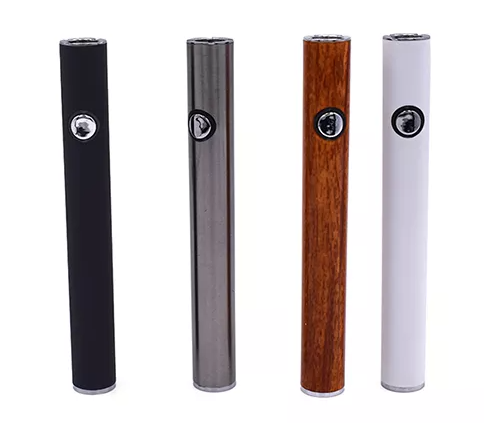
Before adjusting voltage, make sure your device is actually on and ready to respond. Many pen-style batteries turn on and off with five rapid clicks of the main button, signaled by a blinking light. Some models also include a lock mode to prevent accidental firing in a pocket, which may require another click pattern or a long press to unlock. Screen-equipped devices usually show a logo or current voltage when they wake. Spending a moment to learn these basic signals prevents confusion later, because weak or missing vapor can come from a powered-off or locked device just as easily as from the wrong voltage setting.
On many button-activated pens, you change voltage by clicking the main button three times in quick succession to cycle through preset levels. Each level is normally indicated by a different LED color, such as green for low, blue for medium and red for high, though colors differ across brands. Some devices also offer a preheat mode indicated by a special blinking pattern, triggered by another click sequence. Once you remember which color corresponds to which strength, adjusting becomes simple: you click to the wanted color before a session and stick with that level until you want a softer or stronger experience.
Twist-dial batteries place the control on a rotating ring, often at the base, with small numbers marking the voltage range. To adjust, you turn the dial clockwise to raise voltage and counterclockwise to lower it, lining up a marker with the chosen value. This analog style feels intuitive because you can see exactly where you are in the range and stop anywhere, not only at fixed steps. A safe method is to begin near the lowest printed number, take a short test puff and then nudge the dial upward if vapor feels too light. Increasing in small movements helps you find a sweet spot without leaping into a harsh or burnt zone.
Screen-based devices let you set voltage numerically with plus and minus buttons, giving very fine control. After turning the device on, confirm it is in voltage mode rather than wattage or temperature control, then tap the buttons to move the displayed number up or down. Many mods adjust in 0.1-volt steps, allowing you to tailor the setting to each oil and coil combination. The screen often also shows coil resistance and battery level, which help explain why the same voltage might feel different on different cartridges. Once you discover a number that works especially well, you can return to it later like a personal preset for that style of oil.
Regardless of device style, the safest way to begin is always to choose a low voltage and take a few careful test puffs. Low settings protect a fresh coil and new oil from sudden overheating, reducing the chance of burnt flavor or dry hits. Take a gentle one- or two-second puff and pay attention to flavor strength, vapor warmth and cloud thickness. If the taste is clean but clouds feel very light and cool, you can confidently raise voltage a little. Treat these early puffs as simple tests rather than full hits, and you will quickly build a sense of how your battery behaves at each level.
Once you confirm that low voltage is safe but not fully satisfying, begin to raise it in small, controlled steps. On preset pens, move from low to medium and only then consider high if needed. On twist or screen devices, increase by around 0.1 or 0.2 volts at a time, taking a short puff after each change. You are aiming for a point where vapor feels warm and full, flavor remains strong and the throat hit is noticeable but not painful. When you reach that balance, avoid the temptation to keep increasing, because additional voltage usually brings more harshness than real benefit.
When you find a voltage that works especially well with a particular cartridge, capture it so you can return to it easily. Some devices let you store a power profile; with simpler pens you may just remember a color, dial position or approximate number. Taking a quick photo of the screen or writing a short note can also help. Over time, you will build a small list of favorite settings for different oils. Still, treat them as starting points rather than strict rules, because coils age and formulas vary. Each time you switch to a new cartridge, a brief low-to-mid test ensures that your old favorite still feels right.
If you care most about flavor and a gentle, comfortable feeling, stay near the lower end of your device’s range. For many 510 cartridges, a setting around 3.2 to 3.5 volts or the lowest preset level gives cool to mildly warm vapor with a soft throat hit. Terpenes remain clear and distinct instead of burnt, and you can take multiple puffs without irritation. Clouds will be modest rather than huge, but the taste and comfort will often be better than at more aggressive settings. This style is ideal for beginners, daytime micro-puffs and anyone who wants to enjoy the oil’s flavor profile rather than chase intensity.
For regular sessions where you want satisfying but not overpowering hits, a mid-range voltage often works best. Many users find that around 3.5 to 4.0 volts produces strong, full puffs with standard 510 carts, giving visible clouds and a clear sense of impact while staying reasonably smooth. In this zone, the coil heats quickly enough to feel substantial, yet flavor remains pleasant and not excessively roasted. Once you identify a mid-range level that works with most of your oils, you can treat it as a default and adjust only when a particular cartridge feels unusually thin, thick or sensitive.
If you enjoy powerful hits and dense vapor and already understand your device well, you may decide to vape near the top of its recommended voltage range. Settings around 4.0 volts or slightly higher, when safe for the coil, can produce large clouds and a pronounced throat hit that feels intense. However, the difference between enjoyable and harsh becomes smaller as voltage rises, especially with small oil cartridges. Watch closely for early signs of overheating such as sharp flavor, a very hot mouthpiece or rapidly darkening oil, and lower voltage as soon as they appear. High-voltage use is usually best kept to short, focused sessions rather than continuous all-day vaping.
Higher voltage is not always the right answer, and there are clear times when staying low is the smarter choice. Terpene-rich or lightly flavored oils burn easily and lose nuance under strong heat, turning an expensive cartridge into a flat or bitter one. Nearly empty carts and tired coils also handle power poorly, because extra heat simply speeds up burnout rather than improving vapor. High voltage drains the battery and uses oil quickly, which may be inconvenient if you are away from a charger or want to stretch your supply. In these cases, low to mid settings offer a more comfortable and economical experience.
The table below provides a flexible guide for choosing voltage according to your main vaping goal.
Vaping Goal | Approximate Voltage Range | Main Characteristics |
Maximum flavor and smoothness | Around 3.2–3.5 volts | Clean taste, gentle hit, modest but comfortable clouds |
Balanced everyday performance | Around 3.5–4.0 volts | Stronger vapor, good mix of flavor and intensity |
Dense clouds and strong hit | Around 4.0–4.3 volts (safe) | Very warm vapor, pronounced hit, faster oil consumption |
Protecting sensitive oils | Lower end of device range | Preserves terpenes, reduces risk of burning or harshness |
You can adjust these ranges up or down slightly depending on your coil, oil thickness and comfort.
Flavor often changes quickly when you change voltage because many aroma compounds are sensitive to heat. At lower settings, the coil warms gently and allows terpenes to vaporize cleanly, creating a clear, layered taste that reflects the oil’s design. As you raise voltage, flavors may initially feel richer and more intense, but if you go too far they turn burnt or chemical as those compounds break down. Once flavor tastes clearly scorched, lowering voltage may not fully fix it because the coil and remaining oil are already damaged. For best results, use just enough voltage to feel satisfied and take any sudden bitterness as a cue to step back.
Throat hit and warmth are sensations that respond strongly to voltage changes. At low settings, vapor is cooler and softer, which is easy to inhale and friendly for frequent, short puffs. Increasing voltage warms the vapor and strengthens the impact in the throat and chest, which many experienced users find satisfying as a firm “kick.” If voltage becomes excessive, however, that kick turns into harshness and coughing, especially with repeated draws. The ideal level depends on your own tolerance, but a good strategy is to raise voltage slowly, notice when hits begin to feel full and strong and stop there instead of chasing more power.
Cloud size and visibility are the most obvious visual results of voltage adjustments. At low settings, vapor is lighter and less noticeable, which is helpful for discretion or when you want a softer experience. Higher voltages generate thicker, heavier clouds that linger and make each puff feel more dramatic. While this can be fun, it also means faster oil consumption and more attention in public or shared spaces. When choosing voltage, consider not only what feels satisfying but also where you will be using the device and how visible you want to be. Moderate cloud levels often suit everyday situations better than maximum vapor.
Voltage silently decides how long your battery and your oil will last. Lower settings draw less current from the battery and vaporize smaller amounts of oil per puff, so both charge and cartridge stretch farther. This is ideal if you take many small hits throughout the day or want to slow down how fast you use an expensive oil. Higher settings pull more power and convert more liquid to vapor at once, draining the battery and emptying the cartridge more quickly. Understanding this trade-off lets you choose between economical low-voltage sipping and shorter, high-intensity sessions depending on your current mood and plans.
Safe use begins with respecting the voltage and power limits provided by your device and cartridge manufacturers. These ranges are based on testing and describe the conditions under which wicks, wires and seals are expected to perform reliably. Exceeding them in search of stronger hits can push materials to temperatures they are not designed to handle, increasing the risk of failure or unpleasant performance. Whenever you try a new coil or cartridge, check any suggested voltages or power ranges and keep your adjustments inside that window. There is usually plenty of room to personalize your experience without exploring unsafe extremes.
Your vape gives clear warning signs when voltage is too high for the current setup. A burnt, bitter or very sharp taste is the strongest signal that the coil is overheating oil instead of vaporizing it gently. Rapidly darkening liquid or thick residue near the coil also indicates that the oil is being cooked too aggressively. You may feel a very hot mouthpiece or throat irritation after only short puffs. When you notice any of these signals, the correct response is to lower voltage or pause use rather than trying to “finish” the cartridge at that level. Continuing will only damage flavor, coils and your comfort further.
Coils and cartridges last much longer when you use moderate voltage and good handling habits. Keeping power at sensible levels prevents the wick from charring and the coil from glowing excessively hot, both of which quickly shorten lifespan. Priming new coils or letting fresh carts sit upright for a few minutes before first use helps ensure the wick is fully saturated and more tolerant of gentle heat. In contrast, running a variable voltage vape battery at its top setting all the time is like driving a car at full throttle everywhere: it may feel powerful at first, but wear and breakdown come sooner. Slightly lower voltage often gives almost the same satisfaction with far better longevity.
Voltage management is important, but basic battery care is just as crucial for safe vaping. Always use a suitable charger and avoid very low-quality or mismatched power bricks that might overheat the cell. Unplug the device once it reaches full charge instead of leaving it connected for many hours. Keep the battery away from extreme heat, moisture and hard impacts, and never carry it loose with keys or coins that could short the contacts. Lock or power off the device before putting it in a pocket or bag so it cannot accidentally fire at high voltage. These simple daily habits, combined with sensible voltage choices, greatly reduce the chance of problems.
If vapor stays weak even after you increase voltage, the issue is often not the setting itself. Dirty or loose connections between the battery and cartridge can restrict power, and an old or partially burnt coil may simply not respond well even when more energy is applied. Nearly empty or clogged cartridges also struggle to produce strong clouds regardless of voltage. Begin by cleaning contact points, checking that the cartridge is firmly but not overly tightened and looking at the oil level. If performance still feels poor, replacing the coil or cartridge usually makes more sense than pushing voltage higher and stressing the hardware.
Burnt hits at a voltage that used to feel comfortable suggest that conditions around the coil have changed. The wick may no longer be fully saturated because the cartridge is low or because you are taking many puffs in quick succession and oil cannot flow back quickly enough. Residue buildup on an older coil can also make it run hotter and harsher even at the same setting. To troubleshoot, let the cartridge rest upright, take a few unpowered draws to help oil reach the coil and then try again at a slightly lower voltage. If burnt taste continues, it is usually best to replace the cartridge instead of fighting it.
Inconsistent hits, where some are strong and others weak or harsh, often come from draw pattern and timing rather than voltage alone. Long, repeated puffs can dry the wick and overheat the coil, especially at medium or high settings, while very long gaps in cold conditions can make thick oil stiffen again between hits. Try using moderate, steady draws with a short, consistent pause between them and see whether performance becomes more stable. If it does, your voltage is likely fine and you mainly needed a more regular rhythm. If inconsistency persists, check for loose connections or consider that the coil may be nearing the end of its useful life.
Sometimes you may adjust voltage and feel little difference, particularly with more complex devices. First, verify that the mod is really in voltage mode rather than wattage or temperature control, because changing numbers in another mode may not affect output as you expect. Next, ensure the device is not locked, in bypass mode or limited by a safety feature that reduces power when the battery is low. If everything appears correct and larger voltage changes still seem to have minimal effect, the device may need a reset or inspection according to the manufacturer’s instructions. Avoid simply raising settings in frustration, as that can create new issues without solving the original one.
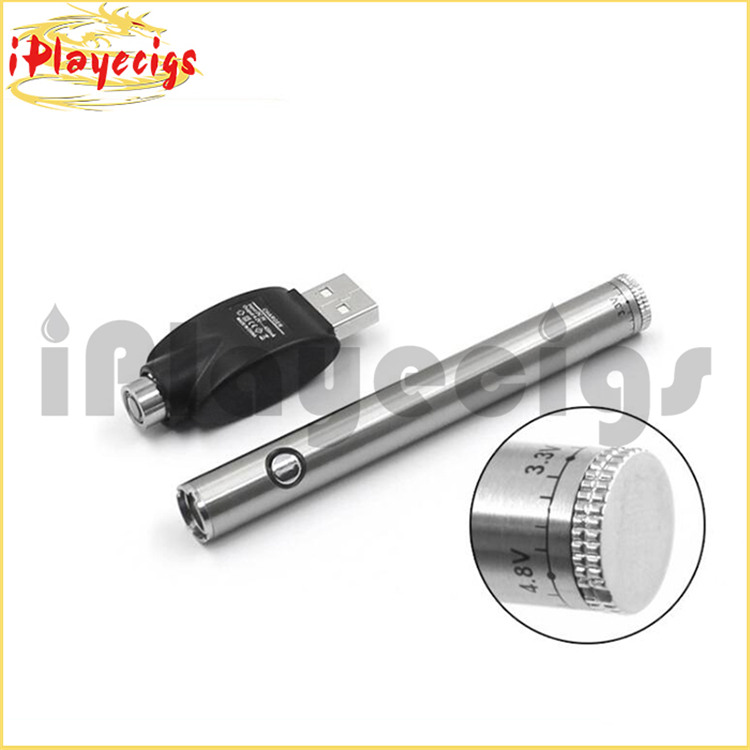
When choosing a variable voltage vape battery, decide whether you prefer straightforward simplicity or fine control. Pens with two or three preset levels are extremely easy to use: you select low, medium or high and start vaping, which is ideal for beginners and casual users. Devices with a dial or screen allow you to set exact voltage values and repeat them precisely, which suits people who enjoy experimenting and notice small differences between settings. Neither style is automatically better; the ideal choice is the one you understand quickly and feel confident using every day without confusion.
Physical design has a strong influence on how practical a device feels in daily life. Slim pens are very portable and discreet but usually contain smaller batteries, so they may require more frequent charging, especially at higher voltage. Box-style or concealer batteries are bulkier but often provide greater capacity and longer runtime between charges. A standard 510 connector keeps your options open by letting you use cartridges from many brands. When comparing devices, imagine where and how you will vape most often—at home, during commutes or on nights out—and choose a form factor that supports those situations with minimal effort.
Some extra features make managing voltage smoother and safer. Preheat modes apply gentle power for a few seconds to help thick oils flow before you inhale, reducing the chance of weak or dry hits. Screens that show voltage, resistance and battery level provide clear feedback about how settings interact with the cartridge. Safety protections such as short-circuit detection, puff time limits and low-battery warnings give extra confidence when you experiment inside the recommended range. You do not need every advanced option, but choosing a device with at least basic protections and clear displays makes learning and refining your favorite settings much easier.
The best variable voltage vape battery for you is the one that fits your real routine rather than the one with the longest feature list. If you mainly want quick, discreet puffs during a busy day, a slim preset pen with reliable mid-range performance may be ideal. If you enjoy relaxed sessions, different oils and careful tuning, a screen-equipped device with more capacity and finer voltage steps will probably feel more satisfying. Think honestly about how often you will adjust voltage, how sensitive you are to harsh hits and how important portability is in your life. Matching the device to these everyday patterns ensures that its features genuinely support the way you vape.
The table below compares common variable voltage battery styles and which users they suit best.
Battery Type | Main Advantages | Best For |
Simple preset pen | Very easy, ultra-portable, affordable | Beginners and casual users in everyday situations |
Twist-dial pen | Compact with fine analog control | Users who want extra tuning without a screen |
Screen box mod | Precise settings, clear feedback | Enthusiasts who experiment with many coils and oils |
Concealed cart device | Discreet look, protects the cartridge | Users who value privacy and durability on the go |
Comparing these options alongside your own priorities quickly narrows down a few models that will actually fit your needs.
Adjusting the voltage on a variable voltage vape battery makes each session flexible and personalized. By understanding how voltage, coil resistance and oil thickness shape flavor, throat hit and cloud size, you avoid random guessing. Start low, increase gradually and watch for warning signs to stay safe and comfortable. With simple habits and an iPlay variable voltage device, you can easily repeat your ideal sweet spot every day.
A: A Variable Voltage Vape Battery lets you change voltage for best voltage for 510 cartridges.
A: Start low, then raise slowly; this how to adjust vape pen voltage method prevents harsh, burnt hits.
A: Many variable voltage vape battery users enjoy 3.2–3.8 V as a safe voltage range for carts.
A: Your level is likely too high; drop to medium voltage settings and take slower, shorter puffs.


