
Views: 315 Author: Site Editor Publish Time: 2026-01-29 Origin: Site


What Makes Live Resin Vape Production Fundamentally Different
Production Variations: Solventless, Liquid Diamond, and Custom Processes
The production of Live Resin Vape represents one of the most technically demanding processes in modern cannabis extraction. Unlike conventional concentrates derived from dried plant material, live resin originates from freshly harvested cannabis that is preserved at peak biochemical vitality. This production method is designed to protect volatile aromatic compounds and cannabinoids that are normally lost during drying and curing. Understanding how Live Resin Vape is produced requires a close examination of each controlled step—from harvest timing to final vape formulation—because every phase directly influences flavor integrity, terpene density, and overall product performance.
The defining feature of Live Resin Vape production is the decision to bypass traditional curing entirely. Instead of drying harvested cannabis flowers over several days or weeks, producers immediately stabilize the plant in a frozen state. This approach preserves the plant’s original chemical profile, including delicate terpenes responsible for aroma and taste.
In conventional extraction, drying causes terpene evaporation and oxidation. Live resin production eliminates that loss, allowing Premium vape oil to reflect the plant’s true genetic expression. This difference directly affects downstream processing requirements, as frozen material demands specialized cryogenic extraction systems and low-temperature handling protocols.
Another major distinction lies in formulation goals. Live Resin Vape is designed to deliver a full-spectrum experience with High Terpene content, rather than maximizing cannabinoid isolation alone. This production philosophy influences equipment selection, extraction solvents, and post-processing techniques throughout the workflow.
Production begins at harvest, where timing is calibrated to cannabinoid maturity and terpene peak levels. Plants are cut and immediately transferred to freezing environments, often within minutes. This rapid transition is critical, as enzymatic degradation begins almost instantly once the plant is exposed to oxygen and heat.
Flash-freezing locks trichomes in place and prevents terpene volatilization. Temperatures typically reach well below −20°C, ensuring that the plant remains chemically stable until extraction. This step differentiates Live Resin Vape from nearly all other vape concentrates, as no curing or drying occurs at any point.
The frozen biomass is then stored in sealed, light-protected containers. Maintaining an uninterrupted cold chain is essential, because even short temperature fluctuations can compromise terpene retention and final vape quality.
Extraction is performed while the plant material remains frozen. Most Live Resin Vape production relies on hydrocarbon-based cryogenic extraction systems that operate at extremely low temperatures. These conditions allow selective dissolution of cannabinoids and terpenes while minimizing the extraction of chlorophyll and plant waxes.
During extraction, solvents pass through the frozen biomass, capturing resin compounds without disturbing plant structure. The solvent-resin solution is then separated and prepared for solvent removal. Precision temperature and pressure control at this stage is crucial, as terpene degradation can occur rapidly if thresholds are exceeded.
Below is a simplified comparison of extraction conditions:
| Parameter | Live Resin Extraction | Conventional Extract |
|---|---|---|
| Plant state | Fresh frozen | Dried & cured |
| Temperature | Cryogenic | Ambient to warm |
| Terpene retention | Very high | Moderate to low |
| Flavor fidelity | Plant-true | Altered |
This controlled extraction process forms the chemical foundation of Live Resin Vape oil.
Once extraction is complete, the raw live resin concentrate undergoes refinement. Solvent removal is performed using low-temperature vacuum purging to preserve terpene integrity. Unlike distillate production, refinement avoids aggressive heat or molecular stripping.
The goal is to achieve a stable oil with balanced viscosity, making it suitable for vaporization without additives. Natural terpene ratios are preserved, resulting in a Premium High Terpene profile that delivers both aroma and performance.
At this stage, producers may adjust texture through controlled crystallization or gentle homogenization, depending on the desired vape behavior. This refinement phase determines whether the final Live Resin Vape oil flows smoothly, resists clogging, and vaporizes consistently.
Transforming refined live resin into a functional Live Resin Vape requires precise compatibility with vape hardware. Oil viscosity must align with heating element specifications to ensure even vaporization and flavor stability.
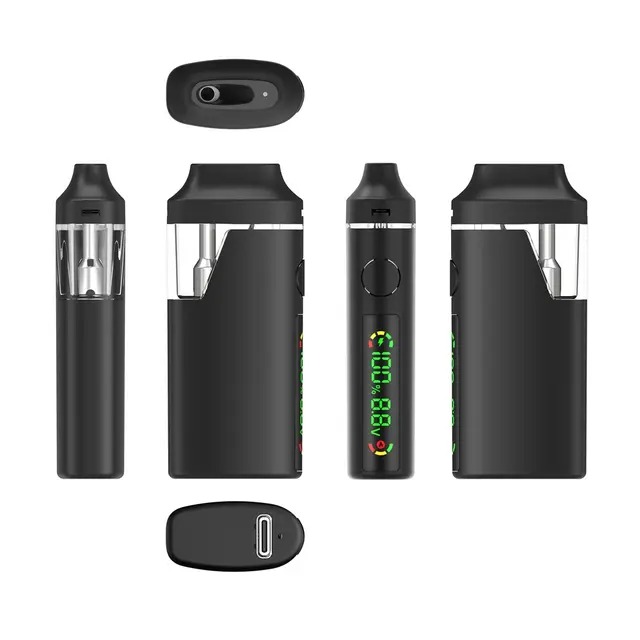
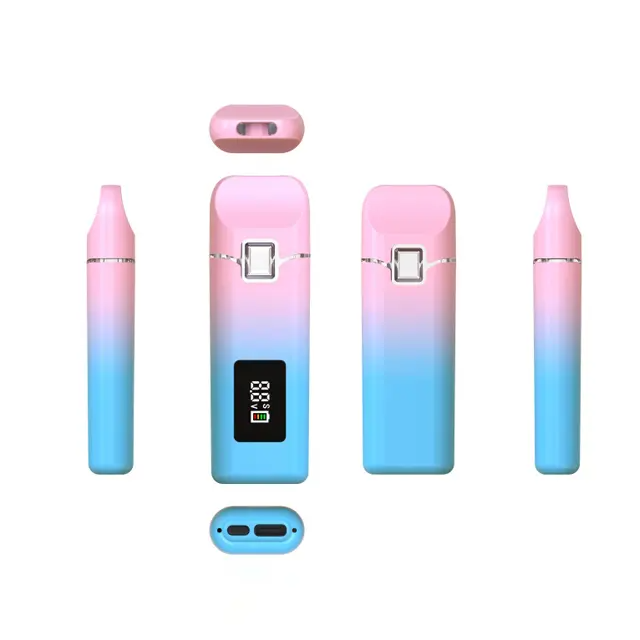
Producers often test oil performance across multiple cartridge designs, including ceramic cores and Rechargeable vape systems. Hardware integration is not a secondary consideration—it directly influences how consumers experience terpene expression and cannabinoid delivery.
Formulation remains additive-free in most cases. Unlike flavored distillates, live resin vape oil relies on its native terpene profile for sensory characteristics. This purity standard is one reason Custom hardware configurations are sometimes developed specifically for live resin oils.
Quality assurance is embedded throughout the Live Resin Vape production process. Frozen input material is tested prior to extraction, and refined oil undergoes multiple analytical screenings to ensure safety and consistency.
Key testing parameters include:
Residual solvent levels
Terpene concentration stability
Cannabinoid consistency
Microbial safety
Because live resin retains more organic compounds than highly refined extracts, rigorous monitoring is essential. Controlled production environments and standardized procedures ensure that each batch delivers predictable vapor quality without compromising safety.
While hydrocarbon extraction dominates Live Resin Vape production, alternative methods are emerging. Solventless live resin-inspired products rely on mechanical separation techniques, though achieving vape-ready consistency remains challenging without solvents.
Another variation includes Liquid Diamond integration, where THCa crystals are recombined with live terpene sauce to create high-potency, terpene-rich vape oil. These hybrid approaches expand formulation flexibility while maintaining live resin’s core sensory advantages.
Custom production workflows are increasingly common, allowing producers to tailor terpene ratios, oil viscosity, and vapor output for specific performance goals. These innovations highlight how Live Resin Vape production continues to evolve without sacrificing its foundational principles.
The production of Live Resin Vape is defined by precision, temperature control, and a commitment to preserving the cannabis plant’s original chemical complexity. From flash-freezing freshly harvested plants to cryogenic extraction and terpene-focused refinement, every step is engineered to protect flavor authenticity and vapor performance. Unlike conventional vape concentrates, live resin production prioritizes aroma fidelity and full-spectrum expression, resulting in a Premium High Terpene vaping experience that reflects the plant at its peak.
1.What is the key factor that defines Live Resin Vape production?
The immediate flash-freezing of freshly harvested cannabis is the defining factor, as it preserves volatile terpenes and cannabinoids.
2.Does Live Resin Vape require additives for flavor?
No. Flavor comes entirely from naturally preserved terpenes, not external additives.
3.Is Live Resin Vape compatible with rechargeable devices?
Yes. Many Rechargeable vape systems are specifically engineered to handle live resin’s viscosity and terpene density.
4.How does Live Resin Vape differ from distillate vapes?
Live resin retains a broader spectrum of terpenes and plant compounds, while distillate focuses on isolated cannabinoids.
5.Are solventless Live Resin Vape products possible?
Solventless approaches exist, but achieving stable, vape-ready oil without solvents requires advanced mechanical processing.


