
Views: 0 Author: Jenny Wang Publish Time: 2025-12-09 Origin: Site


Here is an overview of the U.S. requirements for post-consumer recycled (PCR) plastic in blister packaging, based on the search results I found.
It is crucial to emphasize that the available search results do not include explicit U.S. federal regulations specifically requiring the use of post-consumer recycled (PCR) materials in blister packaging. Nevertheless, these sources outline PCR mandates applicable to plastic beverage containers in states such as California and Maine, while also underscoring wider regulatory movements concerning plastic packaging. The underlying principles and implementation challenges reflected in these related regulatory frameworks can provide useful perspectives for the blister packaging sector.

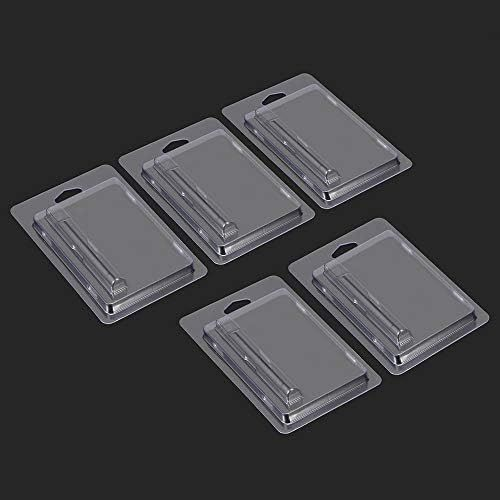
The following table summarizes the key state-level requirements for plastic packaging that are mentioned in the search results, which reflect the regulatory environment:
State Regulated | Regulated Product | State Regulated Timeline | Key Features |
Maine | Plastic beverage containers | - 2026-2030: At least 25% PCR - 2031 onwards: At least 30% PCR | - Applies to "initiators of deposits" and liquor manufacturers. - Requires annual reporting on PCR usage. |
California | Beverage containers | - 2022: 15% PCR - 2025: 25% PCR - 2030: 50% PCR | -Non-compliant manufacturers face penalties. |
While the aforementioned regulations target specific container types, they reflect a wider industry transition that may, in the long term, influence the use of blister packs—a packaging format frequently employed for items such as pharmaceuticals and consumer electronics.
1. The legislative frameworks in Maine and California are intentionally structured to foster a circular economic model, an approach centered on the continual use of materials to prevent them from entering the waste stream. This transition from a linear "take-make-dispose" paradigm serves as a foundational impetus for mandating the use of post-consumer recycled (PCR) content.
2. Businesses operating within Maine encounter considerable difficulties in monitoring and documenting PCR content, particularly in the absence of sales data specific to the state. The requirement to determine the average PCR proportion for all containers sold there, which may necessitate employing intricate estimation techniques such as market share or demographic data analysis, introduces substantial complexity. This underscores the significant data management challenges that comparable regulations for blister packaging could impose.
3. The significance of third-party verification is on the rise, even when it is not a compulsory requirement, as it plays an increasingly vital role in substantiating claims about post-consumer recycled (PCR) material content. Frameworks such as the Recycled Material Standard (RMS) provide chain-of-custody systems that enable companies to reliably track, report, and meet their PCR objectives.
• Evaluate Your Current Packaging:** Begin by analyzing the types of plastic and the percentage of post-consumer recycled (PCR) material used in your existing blister packs. Establishing a baseline is key to achieving compliance.
• Enhance Supplier Collaboration:** Initiate discussions with packaging suppliers to gauge their ability to supply PCR plastics and their understanding of forthcoming certification standards.
• Implement Data Tracking Solutions:** Build reliable internal systems capable of monitoring the usage and composition of recycled materials in your products. Precise data collection will be fundamental for compliance reporting.
• Stay Informed on Policy Trends:** Closely follow regulatory developments in states such as California and Maine, as their approaches frequently influence other regions. Recent legislative efforts in Delaware focusing on single-use items like straws also suggest a broadening of regulatory focus.
This summary is intended to serve as a useful initial guide. In the United States, packaging regulations are changing quickly, and there is a distinct movement toward requiring the use of recycled materials. For more precise details, please specify a particular state or product type.


