
Views: 0 Author: Site Editor Publish Time: 2026-02-04 Origin: Site


The number 420 has become a globally recognized symbol inextricably linked to cannabis culture. What began as an obscure piece of slang among a small group of American teenagers has evolved into a universal code, a holiday, and a powerful marketing tool, reflecting and amplifying the complex and shifting relationship between society and the cannabis plant.
The Group: Five students, known as "The Waldos" (because they hung out by a wall), were looking for an abandoned cannabis crop.
The Code: In 1971, they agreed to meet daily at 4:20 PM—specifically at the Louis Pasteur statue on their school campus—after practice to search for the hidden plants.
The Evolution: Their treasure hunt failed, but the code "4:20" stuck as their shorthand for smoking or getting high. The term spread through their social circles and eventually to the fanbase of the band Grateful Dead, helping it go viral within the counterculture community.
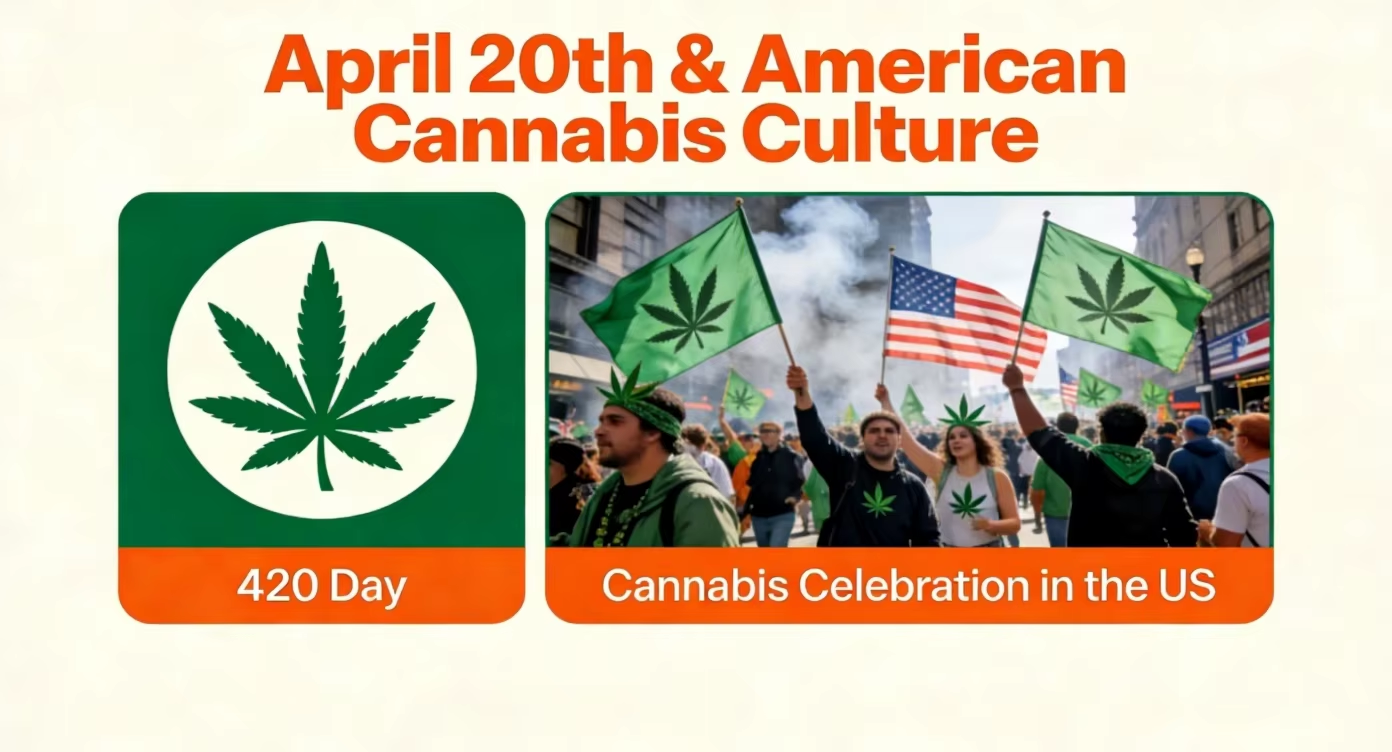
The transformation of 420 from private code to public celebration is largely a product of the late 20th and early 21st centuries. As the movement for cannabis legalization gained momentum, so did the public expression of 420. April 20th (4/20) evolved into an annual event—a day of activism, celebration, and communal consumption. Large-scale gatherings, from protests on university quads to massive rallies in cities like Denver and Vancouver, cemented the date in the cultural calendar. It became a day to advocate for policy change, challenge stigma, and simply partake in a shared experience. The date itself serves as a focal point, transforming personal use into a collective political and social statement.
In the era of increasing legalization, particularly across many U.S. states and Canada, the relationship between 420 and cannabis has entered a commercial and mainstream phase. The symbol has been stripped of its necessity for secrecy and repurposed for marketing. Dispensaries run major sales promotions in the week leading up to April 20th. Brands use the number in logos, product names, and advertising campaigns. Mainstream media outlets publish guides to "420 sales," and restaurants offer cannabis-infused specials. This commercialization demonstrates how a countercultural symbol can be absorbed and sanitized by the capitalist mainstream once the legal landscape changes. While some purists may decry this as co-option, it also signifies a dramatic normalization of cannabis culture.
The digital age has further globalized and abstracted the symbol. Social media platforms see millions of posts tagged #420, often featuring stylized images of the plant, memes, or simple celebratory messages. It has become a digital rallying cry, connecting users across borders where laws vary drastically. In this context, 420 often transcends the act of consumption itself; it represents an identity, an affiliation with ideas of relaxation, rebellion, creativity, or a specific lifestyle. It can be as much about signaling belonging to a particular community as it is about cannabis.
However, the ubiquity of 420 also glosses over critical complexities. The cute, marketable symbol can obscure serious conversations about responsible use, mental health impacts, legal disparities in enforcement that have historically targeted minority communities, and the evolving science of cannabinoids. The "party" atmosphere of 4/20 celebrations can sometimes overshadow the plant’s medicinal applications and the ongoing struggles for social justice within the legalization framework.
In conclusion, the journey of 420 mirrors the trajectory of cannabis in Western society over the past five decades. It began as a practical codeword born of prohibition, matured into a potent symbol of countercultural identity and political activism, and has now been largely assimilated as a commercial and cultural shorthand in an era of growing acceptance. Its meaning is not fixed but fluid, changing with laws, attitudes, and commercial imperatives. Today, 420 is more than just a time or a number; it is a cultural capsule holding layers of history, rebellion, community, commerce, and the ongoing, nuanced negotiation between a plant and the societies that seek to define it.


